
Last updated October 16, 2026
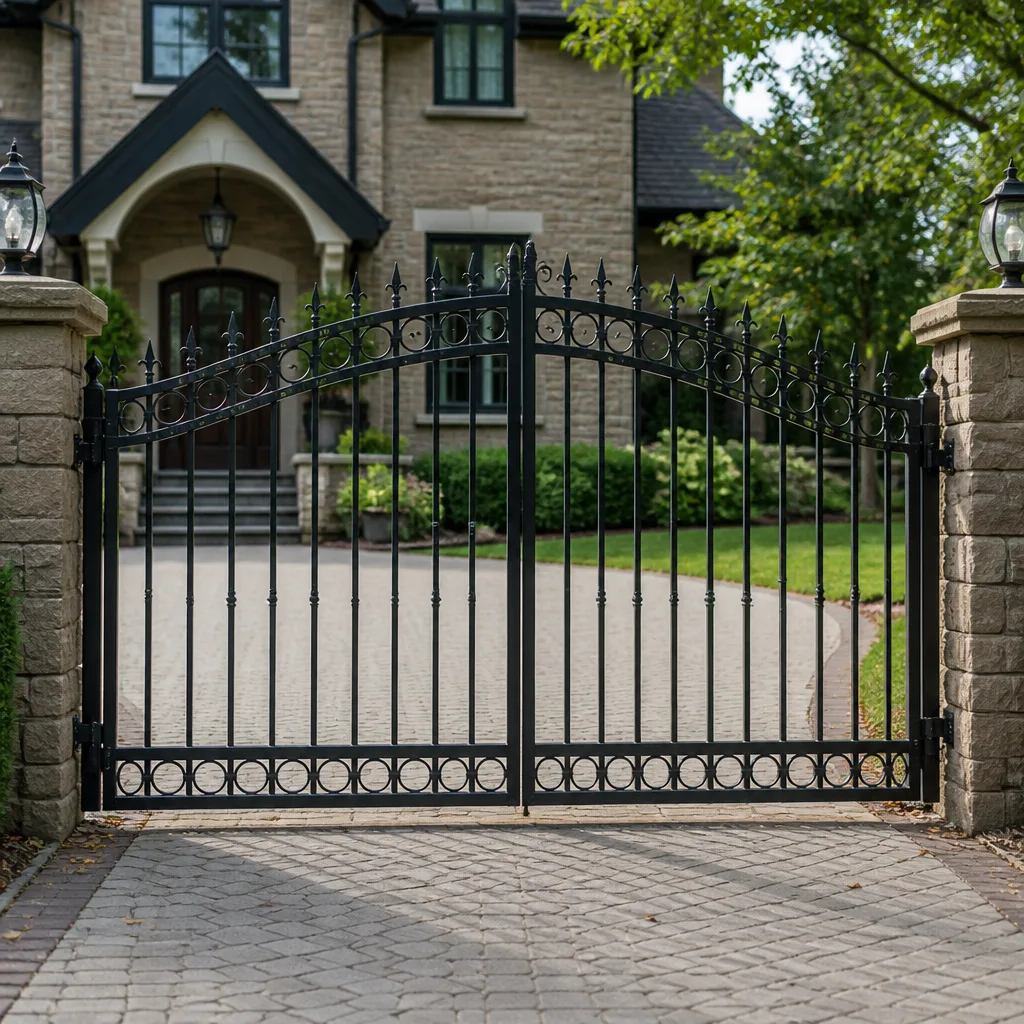 Wrought iron
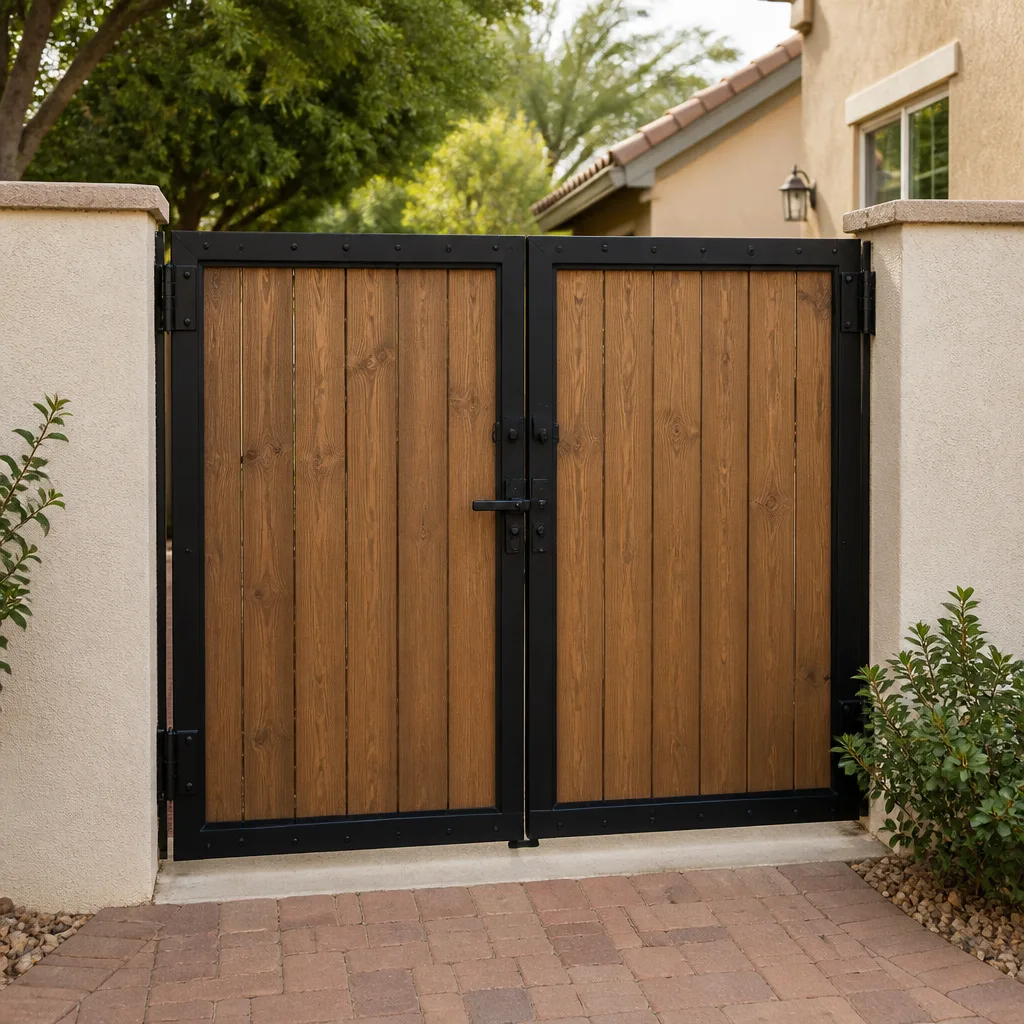 Wood & steel frame
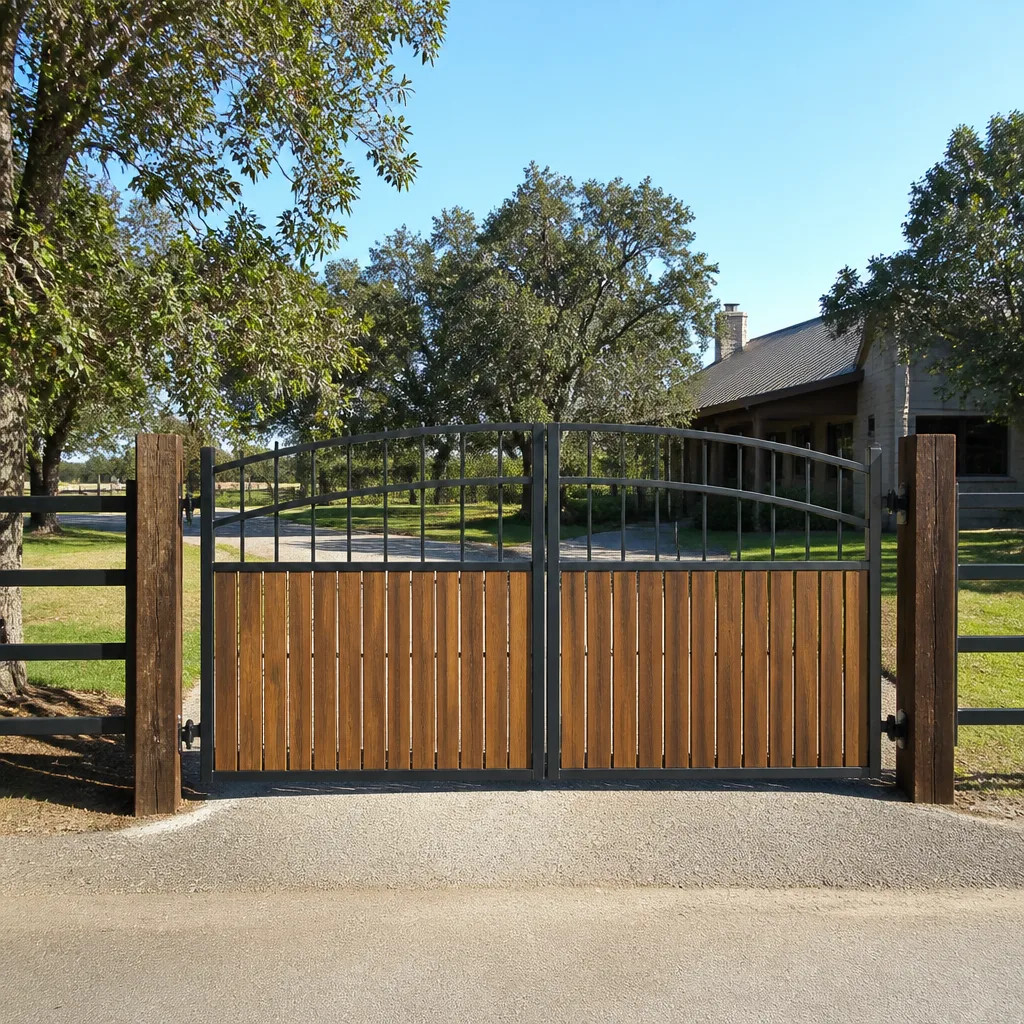 Farm & ranch
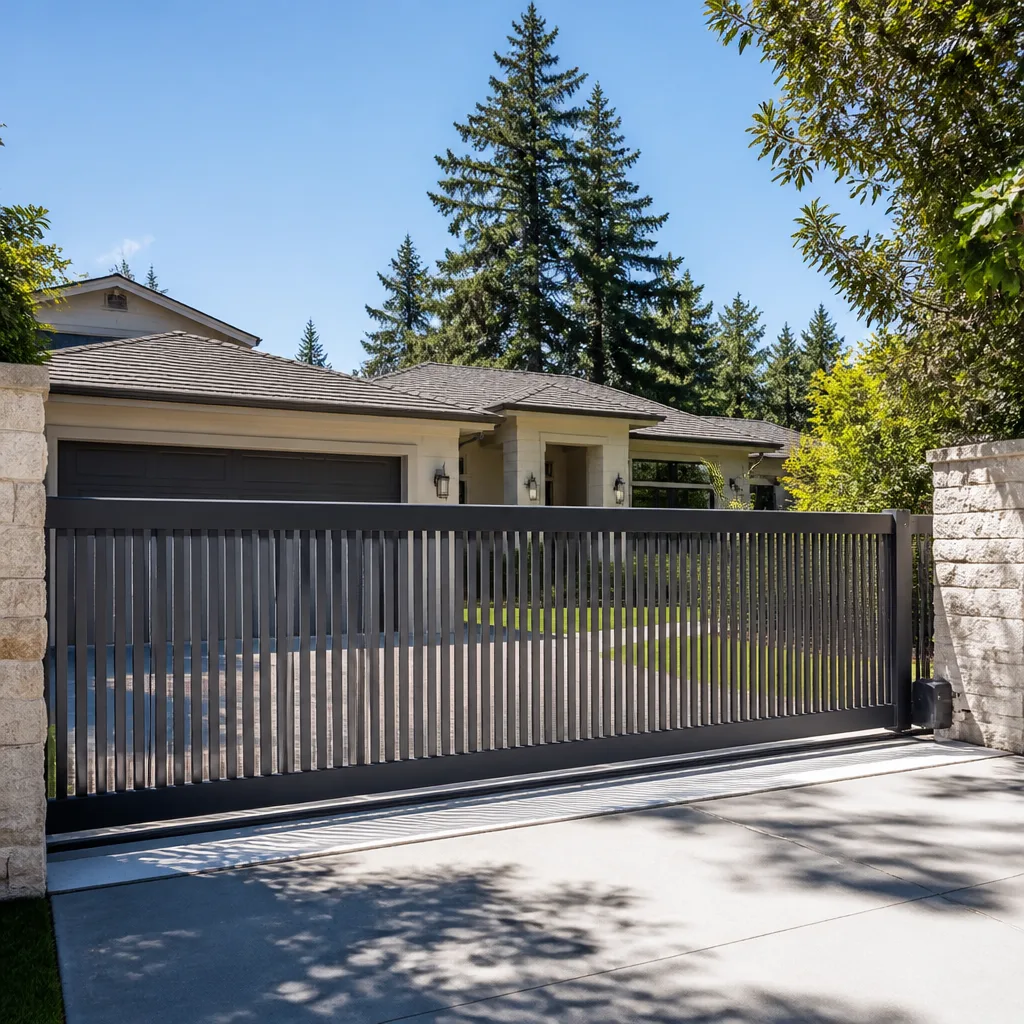 Sliding driveway gates
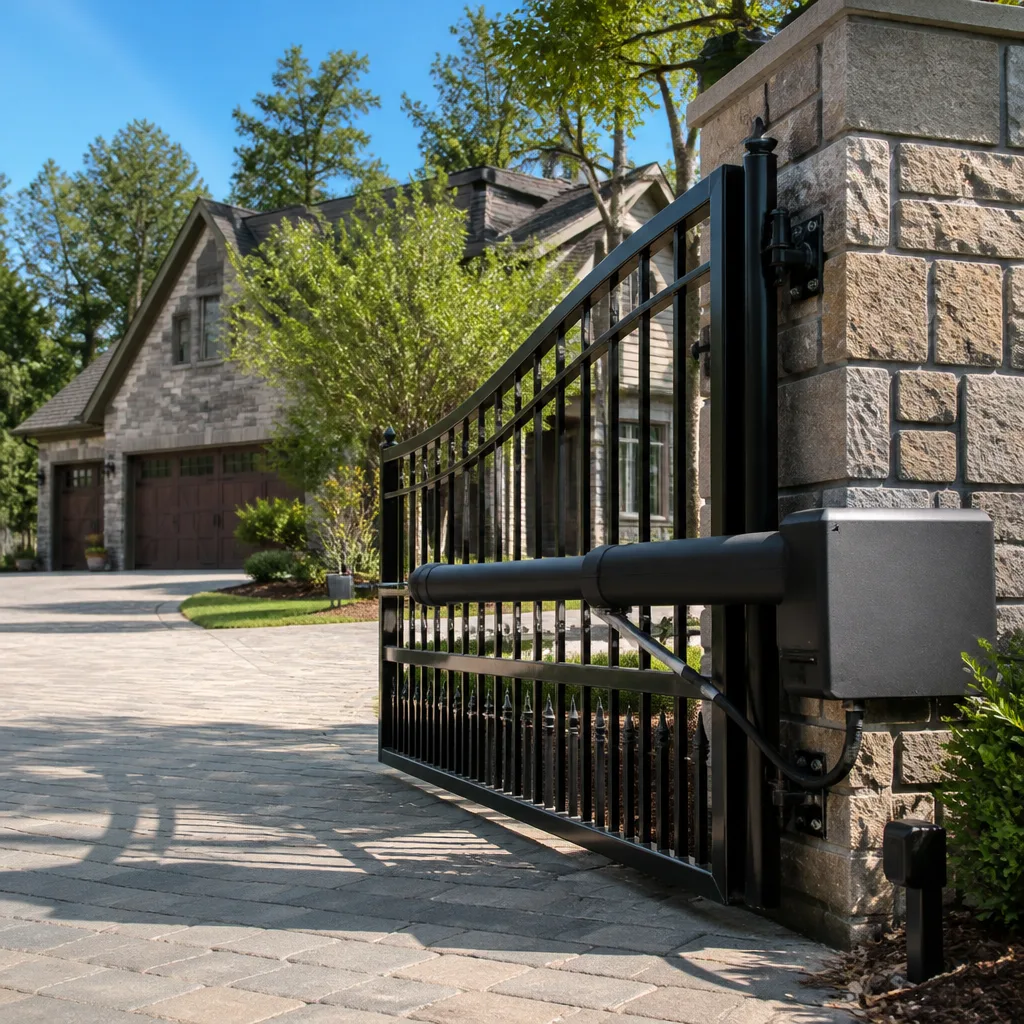 LiftMaster operators
Free on-site gate assessment - hinges, posts, and your LiftMaster or Nice gate operator checked before anything is quoted
The assessment is free and the quote is the invoice.
Get your free estimateGate Repair Warning Signs: A San Jose Homeowner’s Reference Guide
Here’s a counterintuitive fact after 16 years of fixing gates across San Jose: the warning sign you notice is almost never the part that’s failing. A gate that shudders isn’t telling you the gate is old. It’s telling you a capacitor is dying inside the opener, or a roller has worn flat on one side, or the track has shifted an eighth of an inch near the post. Homeowners who call us early spend $120 on a sensor realignment. Homeowners who wait spend $900 on a new motor. This guide-along with our Seasonal Gate Repair Care for San Jose: Year-Round Homeowner’s Guide-organizes every common warning sign by what it actually indicates at the component level, so you know which tier of urgency you’re in: can wait, call this week, or same-day safety issue.
Quick Answer
The most common gate repair warning signs in San Jose are: a gate that reverses mid-cycle, grinding or clicking sounds from the opener, sagging or rust streaking on the gate frame, and slowing response time. Each points to a different subsystem: safety sensors, motor internals, structural hinges, or the control board. Most repairs cost $120 to $400 before parts when caught early. Ignored signs routinely become $800 to $1,600 full replacements.
Styles & brands we work with
Table of Contents
- The Sound Diagnosis: What Your Gate Is Telling You Audibly
- Visual Signs Organized by Failure System
- Speed and Response-Time Changes: The Sign Everyone Dismisses
- The Reversing Gate: Three Problems With Nearly Identical Symptoms
- The Urgency Tier System: What Can Wait, What Can’t
- San Jose-Specific Factors That Accelerate Gate Wear
- What to Check Yourself Before Calling
- Common Mistakes to Avoid
- When to Call a Professional
- Frequently Asked Questions
The Sound Diagnosis: What Your Gate Is Telling You Audibly
Gates are mechanical systems with motors, gears, bearings, and moving contact points. Each failure mode produces a distinct sound. Learning the difference saves you hundreds of dollars because it tells you the subsystem, not just the symptom. Here’s what we’ve learned from thousands of San Jose service calls.
Grinding sound during operation. Grinding is metal on metal where there shouldn’t be any. In most swing gates, it’s a roller or hinge bracket that has lost lubrication and started wearing flat. In slide gates, it’s almost always the drive chain rubbing against the guide track or a wheel bearing that has seized. The fix is typically under $150 if caught now. If you ignore a grinding hinge, the post hole wallows out, and you’re looking at post replacement, which runs $800 to $1,400.
Clicking sound when you press the remote or keypad but no movement. A single click from the control board area with no motor movement is the classic failed capacitor or seized motor. The click is the relay engaging. The component it’s trying to power isn’t responding. On LiftMaster and Mighty Mule openers, this is often a worn start capacitor, a $30 to $80 part plus labor. On older FAAC and Elite units, it can be the motor itself, which is a $400 to $700 repair. The click tells you the board is alive. That’s useful diagnostic information before we even arrive.
Humming without movement. Humming is a motor receiving power and attempting to turn against a mechanical obstruction. On swing gates, it’s frequently a leaf pile or a dirt buildup jamming the arm at full travel. On slide gates, it’s a wheel off its track or a drive chain that jumped a tooth. If you hear this, stop pressing the button. The motor will overheat and the thermal protector will trip, or worse, a gear tooth shears inside the gearbox. Disconnect power and call. A freed obstruction is a $120 service call. A sheared gearbox is a $500 part.
Intermittent beeping from the control board. Beeping is the board’s only voice. A slow beep during operation on LiftMaster units means the battery backup is low. A rapid beep pattern on FAAC boards means the safety sensor circuit has an open or short, which disables the gate’s automatic close function for safety. The gate still opens manually but won’t self-close. This is a $150 to $250 fix, and it’s also the exact condition that leaves your property open overnight if you don’t notice.
Metal-on-metal squeal at one point in the travel. A squeal that happens only at one point in the arc or track run means a single high spot: one wheel, one hinge, one section of chain. The gate is telling you exactly where the wear is. Mark the position where you hear it before you call. It saves us diagnostic time and gets you a tighter written price.
Visual Signs Organized by Failure System
Most guide articles list visual signs like “sagging” and “rust” without telling you what they mean internally. Sagging is structural. Rust streaking is coating failure. Gap changes are hinge or post movement. They point to different repairs with different costs.
Sagging at the free edge of a swing gate. A gate that drags on the ground at the latch side means the hinge post has shifted, the hinges themselves have worn, or the gate frame welds have fatigued. In San Jose, we see this most often on older iron gates in the Rose Garden and Willow Glen neighborhoods, where 40-year-old posts set in expansive clay soil have moved with decades of wet-dry cycles. The fix may be as cheap as replacing two hinge brackets ($180 to $350) or as involved as resetting the post ($700 to $1,100). The sag is the symptom. The question is which layer failed.
Rust streaking from bolts, corners, or the bottom rail. Rust streaking is water finding bare metal. On gate frames, it means the factory coating, powder coat or galvanizing, has failed at a stress point. The structural issue is what the rust is doing underneath. Surface rust you can treat. Rust that has pitted or flaked the metal tube is structural loss. Check the bottom rail in particular. That’s where sprinkler overspray hits, and it’s the most common rustout point on San Jose gates. A bottom rail replacement is $400 to $800. A whole-gate repaint with proper prep, not a rattle-can job, is $600 to $1,200.
Visible gap change between the gate and the post. When the gap at the hinge side widens or narrows compared to six months ago, the post is moving, or the hinge pin has worn oval. On an automatic gate, this gap change also means the opener arm is now fighting misalignment on every cycle. You’re not just repairing a hinge. You’re preventing accelerated opener wear. This is a call-this-week item, not a next-month item.
Frayed or kinked arm cable on slide gate openers. On a slide gate, look at the chain or belt drive. A chain that sags visibly or shows rust at the links is nearing replacement. A belt with a frayed edge is immediately urgent. If the chain lets go while the gate is moving, the gate free-slides, which is a serious safety hazard, especially on a downhill slope, which many San Jose properties have.
Wheels leaving marks on the concrete track. A slide gate wheel that’s dragging rather than rolling skips rather than turns. You’ll see flat spots on the wheel and black or gray rubber marks on the concrete. The wheel bearing is done. Replace it before it carves a groove into the track, which turns a $60 wheel into a $400 track repair.
Speed and Response-Time Changes: The Sign Everyone Dismisses
Of every warning sign we see in San Jose, this is the one homeowners rationalize the longest. A gate that’s 15% slower than it was last year isn’t a gate that’s “getting old.” It’s a motor working harder, a gearbox losing efficiency, or a control board dialing back power to protect itself from an obstruction it senses somewhere.
Electric gate openers should open and close at a consistent speed. When you or a family member notice the gate “feels slower,” something measurable is happening. Here’s what it means at the component level.
Motor wear. Electric motors have brushes in DC designs and bearings in AC designs. As brushes wear, power delivery drops. The motor produces the same voltage but loses torque, and the gate slows, especially on the uphill swing. Brush replacement is a $180 to $280 job on most brands, including LiftMaster and Mighty Mule. A motor replacement after total brush failure is $500 to $800. Slow speed is the early warning the brush is at 60% life.
Gearbox or chain tension loss. Mechanical power transfer components wear gradually. Loose chains slip one tooth at a time. Gearbox oil breaks down. Neither is catastrophic today, but both worsen under load. The fix is tightening, lubricating, or resealing, typically $150 to $350. Ignored, the same parts become a full gearbox rebuild at $600 to $900.
Control board power limiting. Modern gate boards monitor current draw. If the board detects rising load, either from a binding hinge or a failing capacitor, some models dial back the duty cycle, which slows the gate and reduces starting torque. It’s a protective feature, but it masks the root problem. If we see a board in protection mode, the question is what triggered it: usually a mechanical binding point upstream.
Battery backup discharge. On gates with a battery backup, especially LiftMaster units with the 485LM or similar, a weak battery produces exact speed symptoms: slow start, sluggish travel, no auto-close. The battery should be replaced every 2 to 3 years. A new battery is $80 to $200. It’s the cheapest fix on this list and the most commonly misdiagnosed by homeowners as “the opener is dying.”
If your gate was installed before 2018 and has never had a capacitor or battery service, and it’s slowing down, you are looking at one of the four issues above. All of them are cheaper today than in six months.
The Reversing Gate: Three Problems With Nearly Identical Symptoms
A gate that starts to open or close and then reverses direction before completing its travel is the single most reported symptom we get in San Jose. The homeowner sees one behavior. We trace it to one of three distinct subsystems. Two of the three are cheap fixes.
Possibility 1: Sensor misalignment
Automatic gates use a photo eye or infrared beam pair across the opening, the same principle as a garage door sensor. If the beam is interrupted, broken, or misaligned, the board interprets it as an obstruction and reverses. In San Jose, misalignment happens for a specific reason: morning fog and marine layer condensation on the lens, or a sprinkler head that was adjusted and now hits the sensor housing. The symptom is a gate that reverses during travel, but only sometimes, and more often in the morning. The fix is cleaning and realigning the beam. We charge $120 to $180 for a sensor realignment and test, and it’s the cheapest repair on this list.
Possibility 2: Obstruction detection false positive
Modern boards can detect load spikes without a physical photo eye. If the gate hits a rock, a root, a child’s toy, or a warped section of track, the board sees a current spike, reverses, and logs an obstruction. The problem is a physical blockage in the path. Walk the full run of the track or arc, especially in fall, when leaves pack against the end stops in San Jose yards. We’ve found everything from a half-buried paver to a 12-inch strip of lifted concrete. Clearing the obstruction and testing the run costs $100 to $150.
Possibility 3: Limit switch failure
The limit switch is the small sensor that tells the gate when to stop. It’s a mechanical component. On LiftMaster and FAAC openers, it’s often a magnetic reed switch or a micro switch on the drive mechanism. When it fails, the board never receives the “stop now” signal, so the gate reaches the end of its travel, judges the stoppage as an obstruction, and reverses. This is the one that can’t wait. The gate is no longer in control of its own travel, which is a safety issue for anyone near the gate. A limit switch replacement runs $180 to $300 depending on make and model. On older Elite and FAAC units, the switch may be integrated into the gearbox, pushing the repair to $350 to $500.
Same symptom, three different subsystems, three different price ranges. The diagnostic process involves testing each one in order. Our techs do exactly that, starting with the cheapest fixes first.
The Urgency Tier System: What Can Wait, What Can’t
Not every warning sign is urgent, but every sign is a signal. Here’s how we classify what we see across San Jose, from the slow burn to the same-day emergency.
Tier 3: Can wait two to four weeks. Cosmetic rust streaking with no structural pitting. A slow but consistent gate speed change on an older unit. A photo eye that occasionally fogs in the morning but clears by afternoon. These are real but not urgent. Schedule them at your convenience. Expect to pay $120 to $300.
Tier 2: Call this week. Consistent grinding. Visible sag. Gaps changing between gate and post. Chain or belt visible wear. Motor slowing under load but still completing cycles reliably. These are progressing failures. Every week adds cost, but nothing is dangerous yet. Expect to pay $150 to $450.
Tier 1: Same-day safety issue. A gate that reverses mid-cycle and won’t complete travel. Any limit switch failure, where the gate doesn’t know where to stop. A slide gate that free-slides when the chain breaks. A swing gate that has come off a hinge or dropped onto a person-height path. Sparks from the control board. Burning electrical smell. These are call-now conditions. Gate Repair in San Jose is our most complete service page for understanding scope and process, but the short version is: if the gate can move unpredictably, it’s a safety liability, not a maintenance item. Expect to pay $180 to $600 for Tier 1 repairs, depending on the failed component.
When in doubt, err one tier up. We’d rather show up for a false alarm than have you or a family member standing next to an uncontrollable gate.
San Jose-Specific Factors That Accelerate Gate Wear
San Jose isn’t a hard climate, and that’s exactly the problem. Gates here face a particular combination of conditions that accelerates certain failure modes, and national repair guides don’t capture it.
Wet-dry soil cycles in the Santa Clara Valley. The valley’s adobe clay soils expand when wet and shrink when dry. Over a 20-year period, that movement can shift a gate post a quarter inch or more. The visible evidence is a gate that suddenly starts dragging or a gap that changes seasonally. This is the single most common root cause of structural gate problems we see in neighborhoods like Almaden Valley, Cambrian, and Willow Glen, where post-and-panel gates sat on clay soil for decades. The fix is post resetting or hinge re-engineering, not a new gate.
Marine layer mornings and sensor condensation. San Jose’s morning fog, especially in West San Jose and near the foothills, creates a predictable pattern of photo eye condensation. If your gate reverses only in the morning and only in certain months, the sensor is wet, not broken. A simple realignment and seal replacement fixes it. If you call a less experienced company, they may replace the sensor board unnecessarily, which is a $250 mistake.
Dry-season dust on slide tracks. The summer months get dry. Dust settles on the track, mixes with whatever moisture touches the metal in the morning, and creates an abrasive paste. Slide gate wheels and chains wear measurably faster through the dry season. We recommend a track cleaning and lubrication service every 12 months, which runs $90 to $150 and doubles wheel life.
Irrigation overspray on gate bottoms. Sprinkler systems in San Jose are frequently aimed within a foot of the gate path. The bottom rail, hinge brackets, and opener arm get watered twice a week. Add morning fog, and you have low-grade wet conditions for months. This is why rustout starts at the bottom rail first. Adjust your sprinkler heads or accept a faster inspection cycle.
Sloped properties in the foothills. Many homes in the Evergreen and Alum Rock foothills have gates on slopes. A slide gate on a grade places constant downhill load on the motor brake and the wheel bearings. Slope stress accelerates both. If your gate is on a slope, your service intervals should be tighter than the average San Jose homeowner’s, simply because physics is working against the components.
What to Check Yourself Before Calling
You don’t need to fix anything yourself. In fact, for the electrical and high-tension components, you should not. But there are five zero-risk checks that take ten minutes and give our technicians a head start. This also helps you get a more accurate written price over the phone.
- Photograph the gate from three angles. A front view from ten feet back, a close shot of the hinge or track hardware, and one of the opener unit. Text these to the company when you book.
- Note the exact symptom sequence. Does the gate reverse at the same point every time? Does it grind only when opening or closing? Write it down in two sentences. The pattern is diagnostic.
- Check the photo eye lenses. Are they fogged, dirty, or blocked by a plant? Clean them with a dry cloth. If the gate works again, you had a sensor alignment or obstruction issue, not a motor failure.
- Clear the gate path by hand and by eye. Walk the full swing arc or slide track. Remove rocks, branches, toys, and packed leaves. Look for a lifted paver or a cracked section of concrete.
- Check the breaker. Many gates have a dedicated circuit. If the opener is dead, the breaker may have tripped, often for a reason. Note whether it tripped again after resetting. Do not reset it more than once.
If you’ve done these and the symptom persists, you have a real component failure. Call. The information you gathered is genuinely useful to the tech and will shorten the diagnostic time.
Common Mistakes to Avoid
- Lubricating without cleaning first. Spraying grease over a dirty track or chain creates grinding paste, not smooth movement. Clean first, lubricate second, or skip both and call a professional who knows the difference.
- Ignoring a slowing gate because it “still works.” A gate that’s 15% slower is a motor that’s losing torque and a gearbox that’s wearing. It’s the least-visible warning sign, but it’s also the most predictive of full failure.
- Replacing a sensor board when the real problem is the photo eye. We’ve replaced perfectly good boards on San Jose gates where the actual issue was morning fog condensation. Clean and realign before replacing components.
- Forcing a gate open or closed manually after a mechanical failure. If the chain is jammed or the motor is seized, forcing the gate can damage the gearbox, bend the rack, or injure your shoulder. If it won’t move by hand, stop.
- Waiting out a grinding sound. Grinding is metal being consumed. The part that’s grinding is getting smaller every cycle. The longer you wait, the more you pay. A $120 hinge repair today is a $1,100 post replacement next year.
- Treating a gate as an optional security layer. An automatic gate that doesn’t close is not a gate, it’s an open driveway. In San Jose, where property crime and package theft are top concerns, a malfunctioning gate is a security gap, not a convenience gap.
- Choosing a contractor based on price alone. The cheapest gate repair quote in San Jose is often a tech with no brand training and no written guarantee. You’ll pay for it when the same part fails in three months. Ask every bidder what their written guarantee covers and for how many days.
When to Call a Professional
Call when the gate produces any sound it didn’t make during the first year you owned it: grinding, clicking, humming without movement, intermittent beeping. For help choosing the right professional, see our How to Hire a Gate Repair Contractor in San Jose: A Step-by-Step Guide. Call when the gate changes speed by more than 10% in either direction. Call when it reverses, sags, or shows a widening gap at the post. Call when rust streaking appears at the bottom rail or any bolt point. And call immediately when the gate can move without being commanded to, or stops responding to your remote and keypad. Calder Gate Repair San Jose offers free estimates in San Jose, no hidden trip fees, and a written price before any work starts. Call (669) 666-6859 and a live person answers, 24 hours a day.
Frequently Asked Questions
Most gate repairs in San Jose run $120 to $450 before parts. A sensor realignment is $120 to $180. A limit switch replacement is $180 to $300. Hinge or roller replacement is $180 to $350. A full motor replacement is $500 to $800. A complete new opener with installation is $900 to $1,600. For more guides & resources, visit our blog. Every quote from Calder Gate Repair San Jose is written, itemized, and agreed before work starts. Call (669) 666-6859 for your free estimate.
Yes, most gate repairs are completed same-day or next-day in San Jose, including Tier 1 safety issues. We dispatch background-checked, uniformed technicians with a live, trackable arrival time, not a four-hour window. For safety issues like an uncontrolled gate or a broken chain, we treat the call as a priority. Electric Gate Repair in San Jose is available 24/7 by phone for exactly these moments.
Our technicians are factory-trained on nine leading gate opener brands: LiftMaster, FAAC, BFT, Linear, Viking, Ghost Controls, DoorKing, Elite, and Mighty Mule. If your opener is one of these, we know the board, the motor, the limit switch, and the failure patterns from experience, not from a manual on the job site.
A gate that reverses mid-cycle is usually one of three things: a misaligned photo eye sensor, a false obstruction reading from a rock or piece of debris on the track, or a failed limit switch that never tells the board where to stop. The first two are cheap, typically under $200. The third requires component replacement. The only way to tell is a systematic diagnostic, which we do starting with the cheapest possible cause.
Sagging is a structural problem. The gate frame, hinges, or post have failed or shifted, and the opener is now working against the misalignment. Left alone, the opener will fail from fighting the extra load. Structural repairs run $180 to $1,100 depending on whether the hinges, the post, or the frame welds are the failure point.
Yes. Every Calder Gate Repair job includes the 365-Day Done Right Promise in writing. If the repair fails within 365 days, Calder returns at no charge. That promise is a standard part of every job, not an add-on, and it’s the reason we write the guarantee into the invoice instead of mentioning it as a selling point. Gate Opener Repair in San Jose carries the full details of what the promise covers.
The Relay Standard is the booking-to-invoice experience every Calder customer gets: a live arrival time you can track, before-and-after photos of the work, and a digital invoice you pay from a link. It’s the kind of transparency you get from a rideshare app, applied to gate repair. Book by phone and the process is underway before the tech’s van hits the road. Start at our Calder Gate Repair San Jose home to see how the Relay Standard works.
The Bottom Line
Gate warning signs are not random. They map to specific subsystems: sensors, motors, boards, structural components, and track hardware. A grinding sound is metal being consumed. A reversing gate is one of three distinct problems. A slowing gate is a motor or gearbox wearing out. In San Jose, the clay soil, morning fog, and dry-season dust accelerate each of these in predictable ways. The cheapest repair is the one you make before the warning sign becomes a failure. Most repairs run $120 to $450 before parts. Calder Gate Repair San Jose offers free estimates, a written price before any work starts, and the 365-Day Done Right Promise on every job. Call (669) 666-6859 and describe the sound, the movement, or the sag. We’ll tell you over the phone what tier you’re in and what to expect.
Written by Nico Alvarez, Owner at Calder Gate Repair San Jose, serving San Jose since 2009.
See the difference
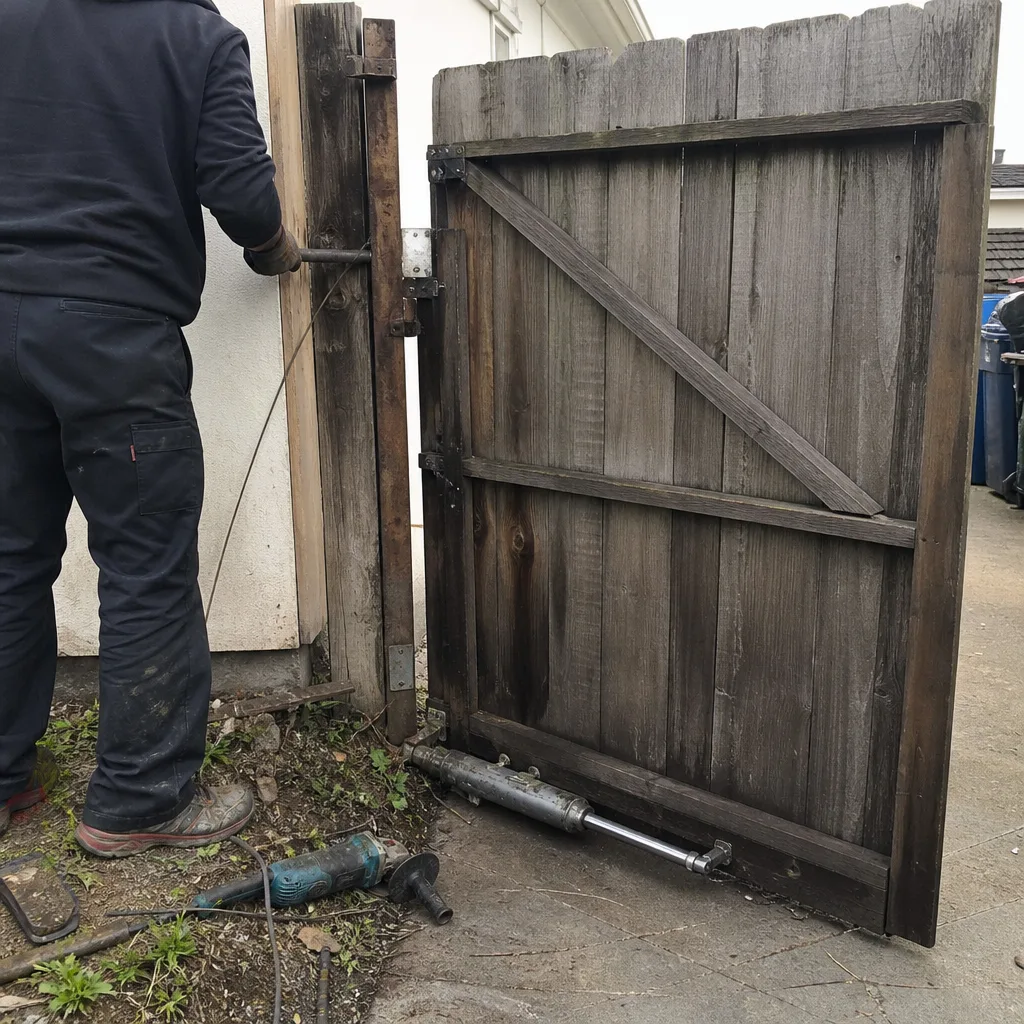 Before
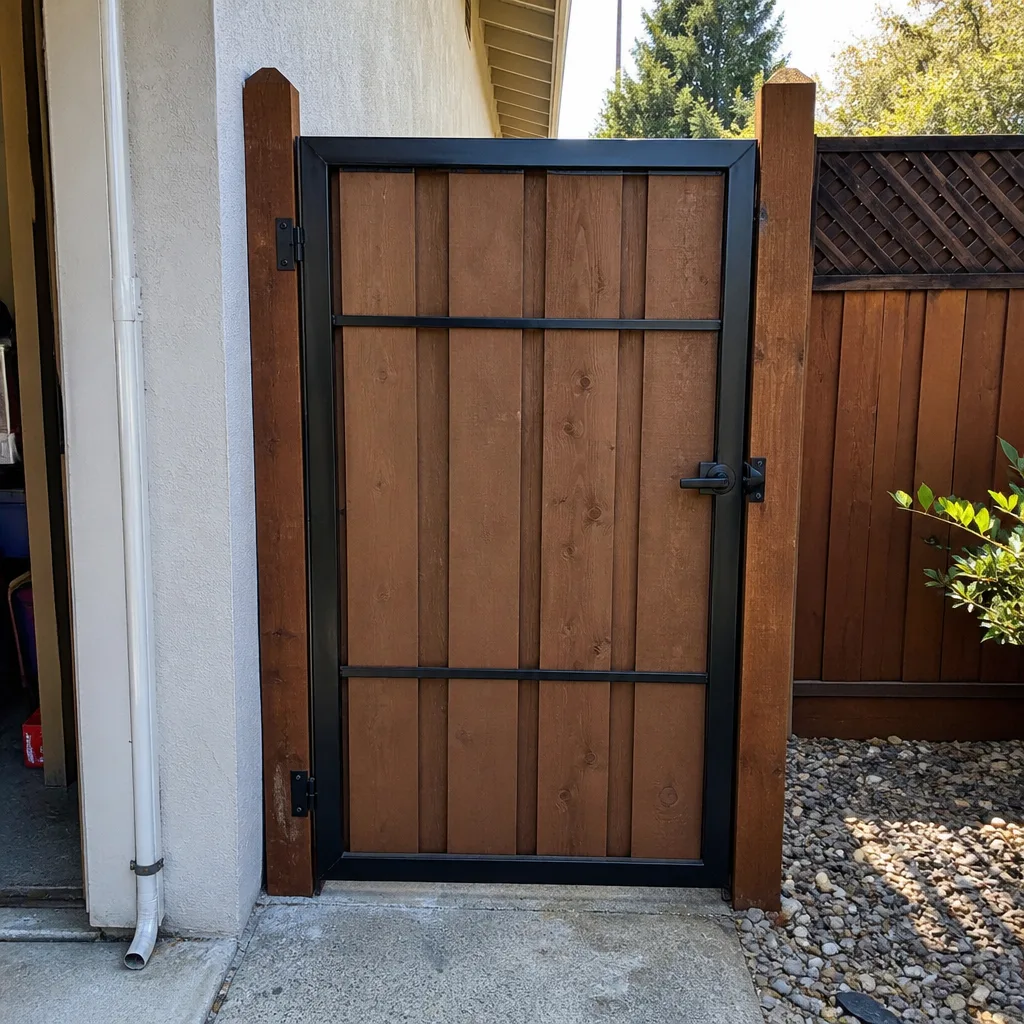 After
After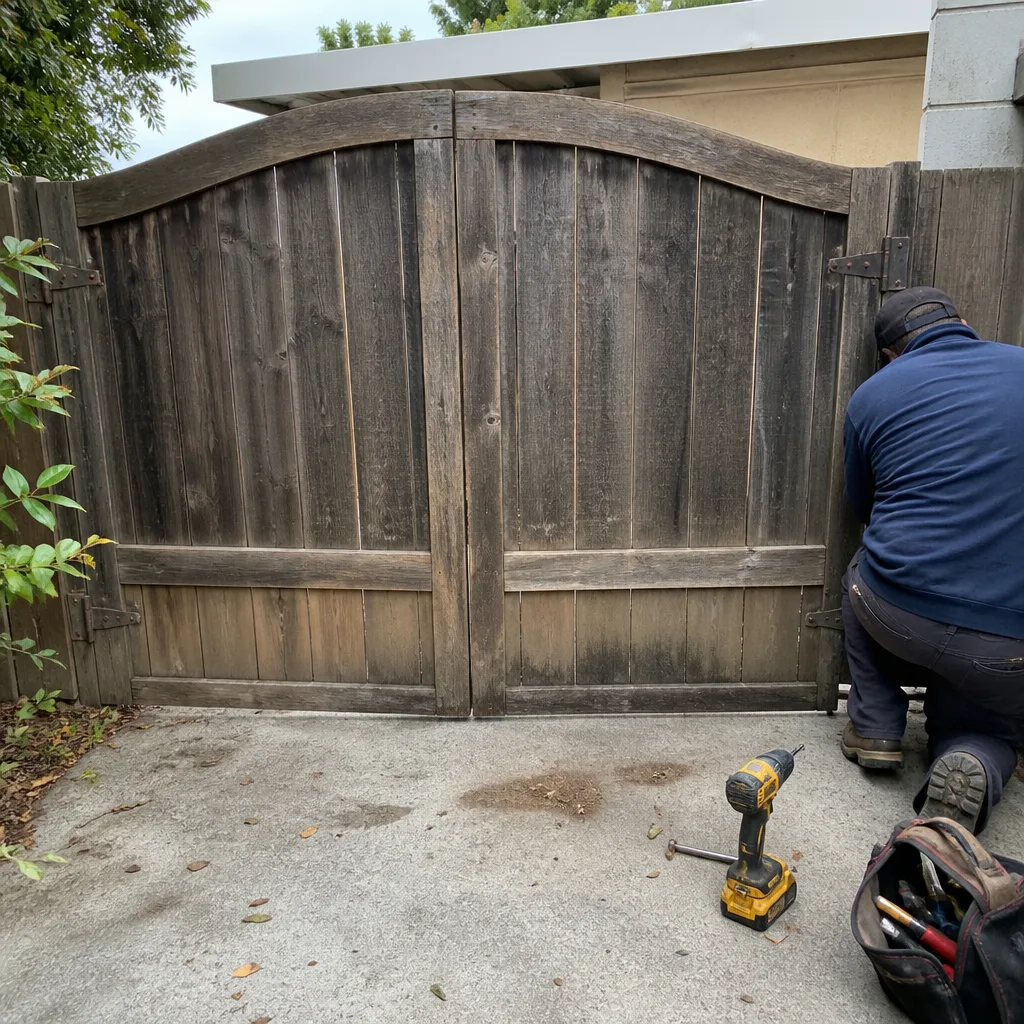 Before
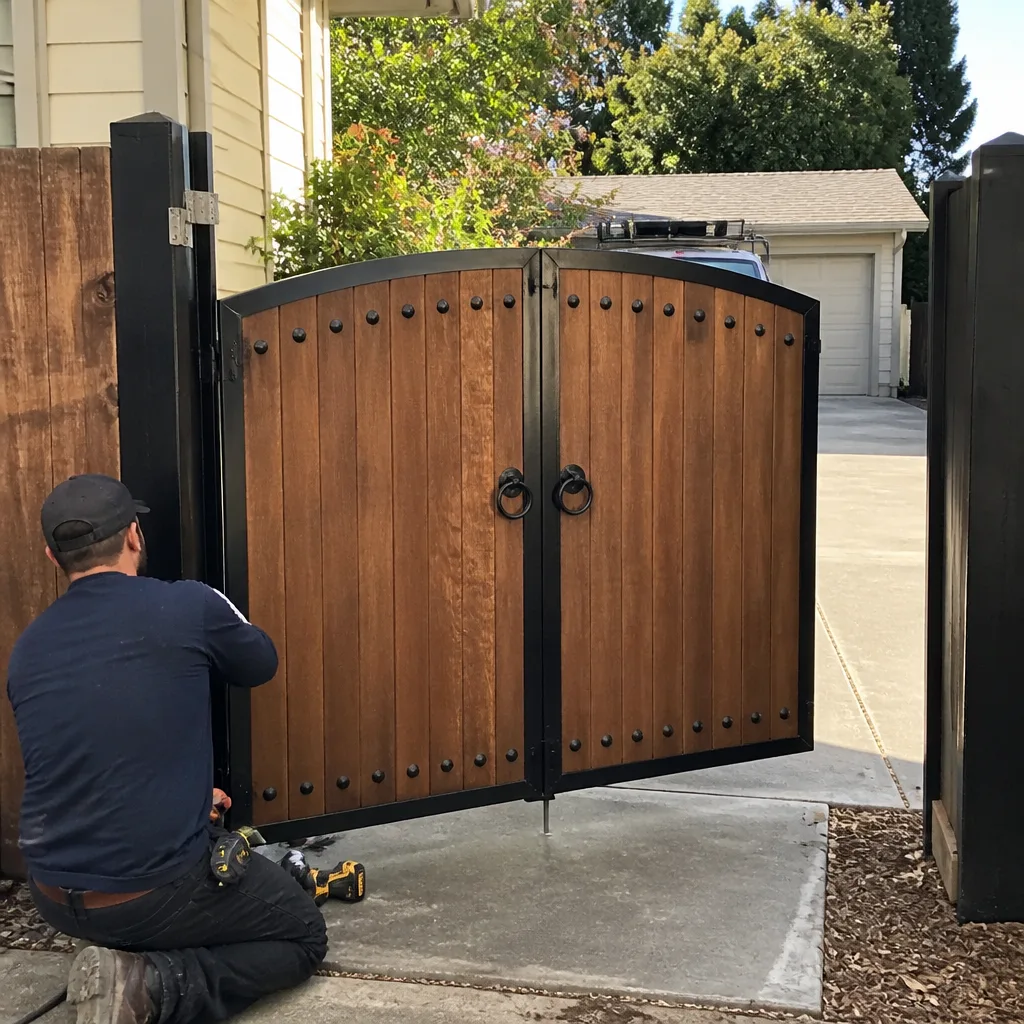 After
After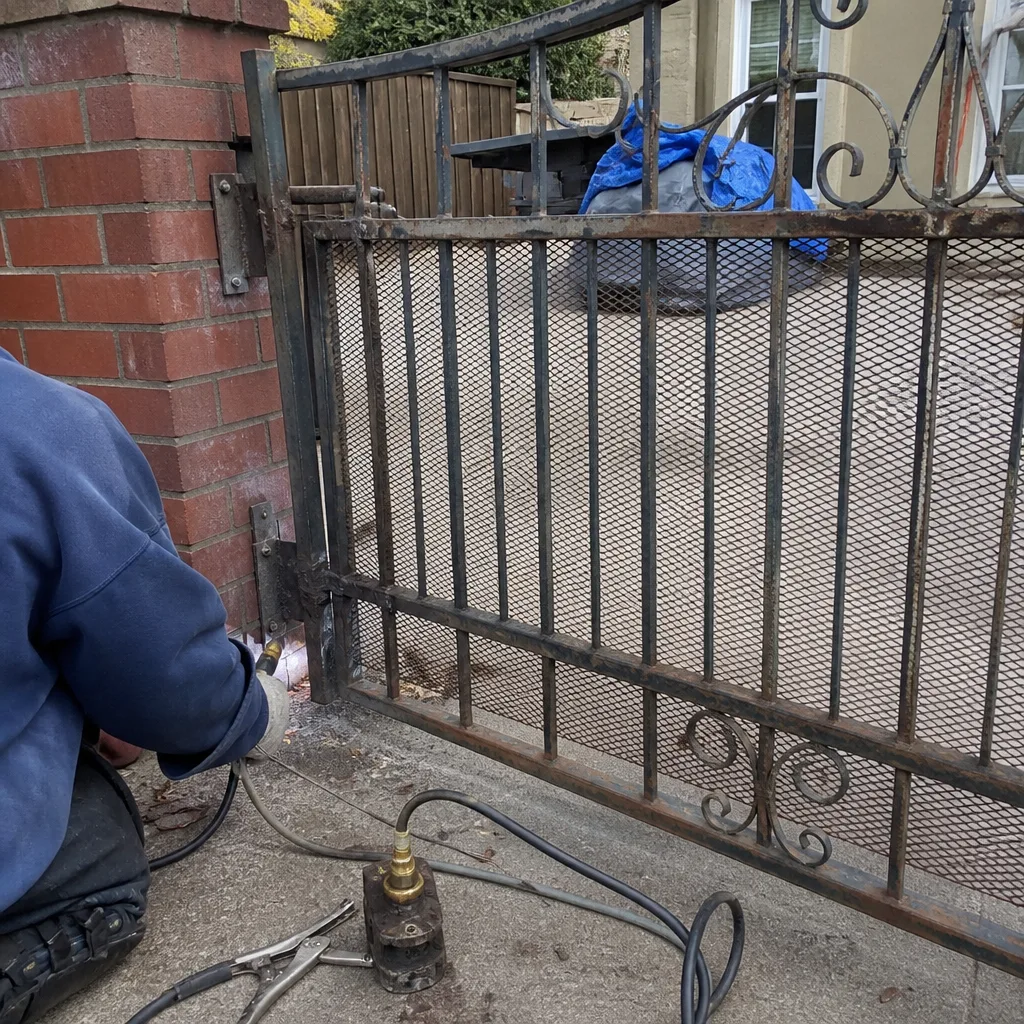 Before
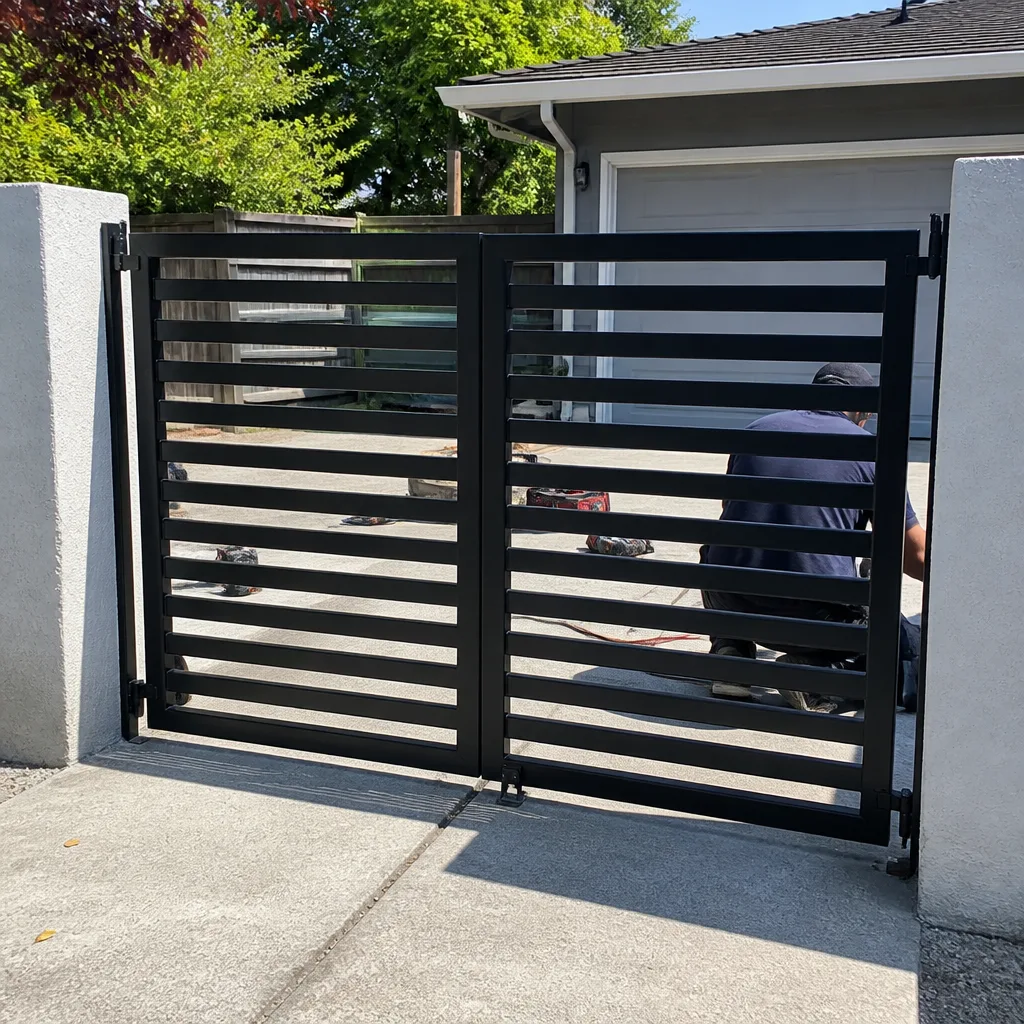 After
After