
Last updated October 16, 2026
 Wrought iron
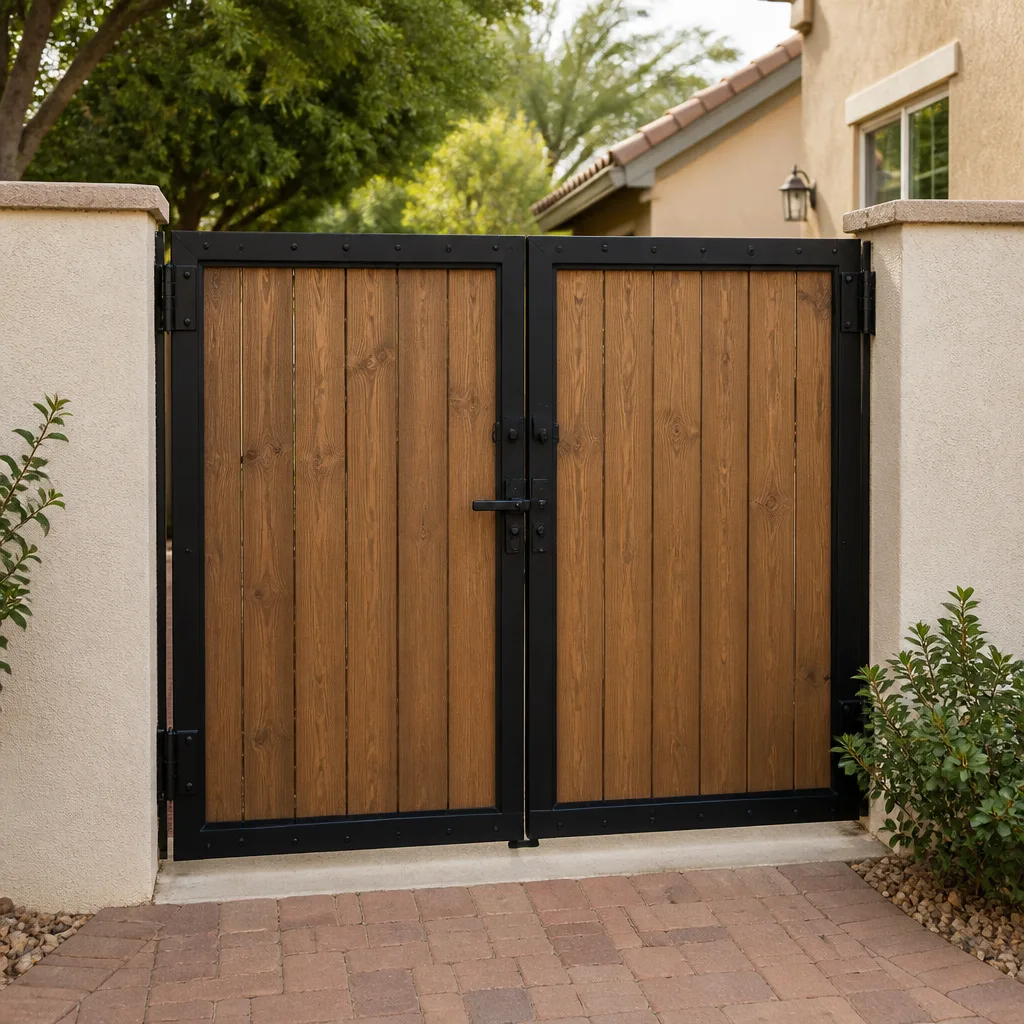 Wood & steel frame
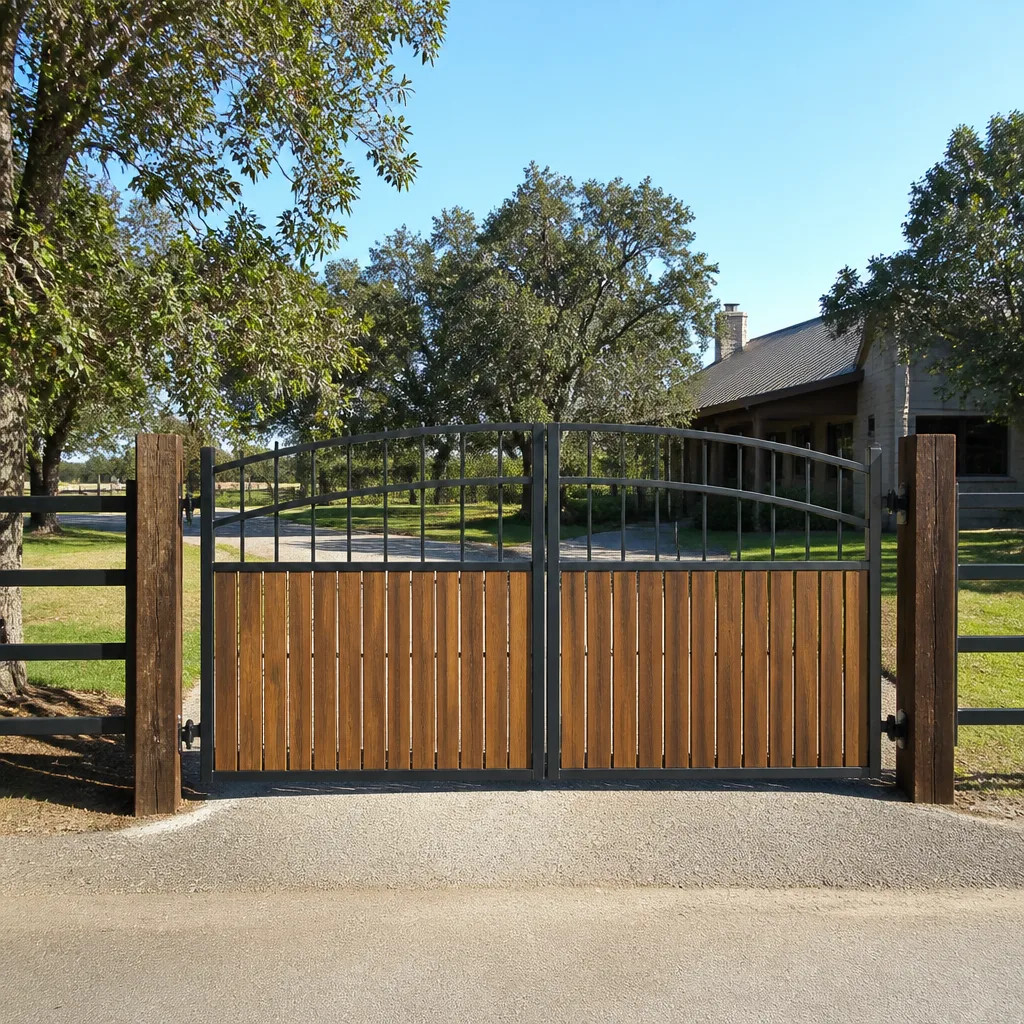 Farm & ranch
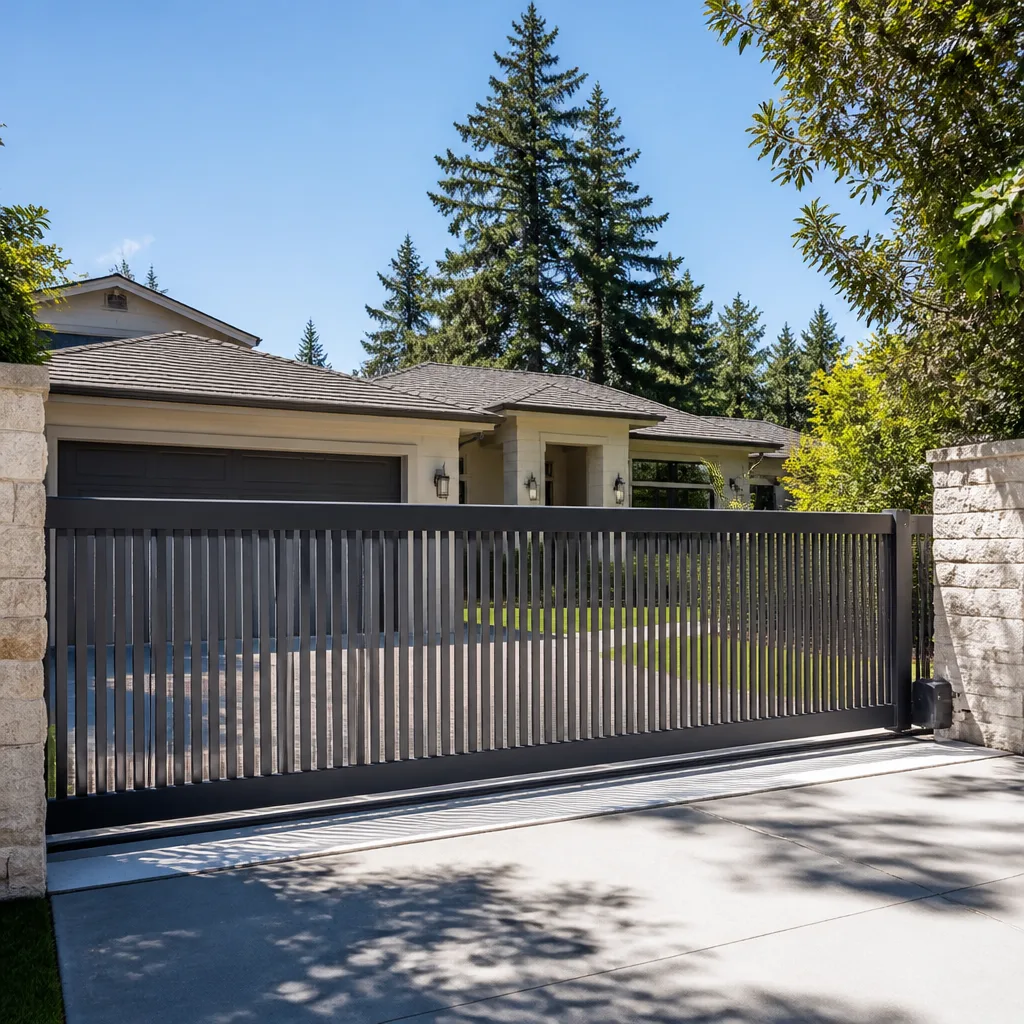 Sliding driveway gates
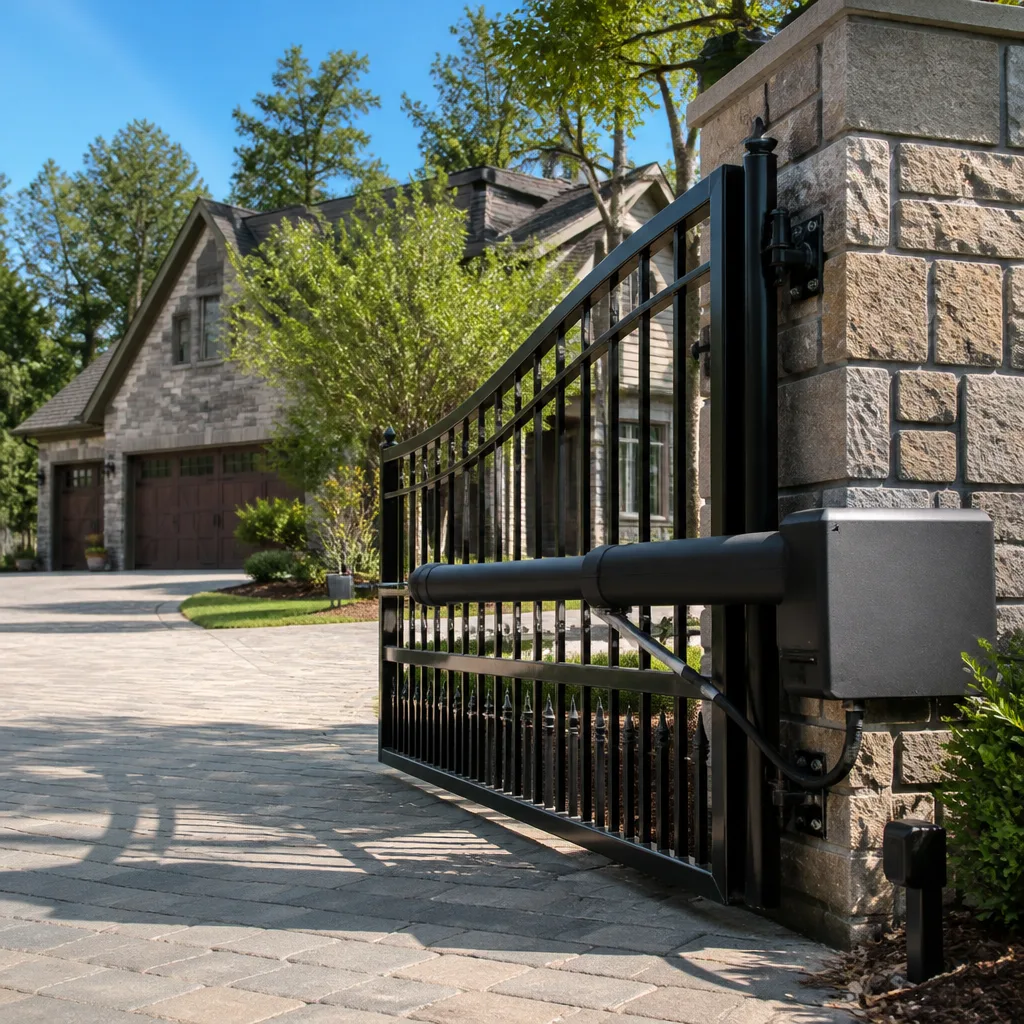 LiftMaster operators
Free on-site gate assessment - hinges, posts, and your LiftMaster or Nice gate operator checked before anything is quoted
The assessment is free and the quote is the invoice.
Get your free estimateSeasonal Gate Repair Care for San Jose: Year-Round Homeowner’s Guide
San Jose homeowners skip winterizing their gates because it “doesn’t really freeze here” – but it’s actually the October-to-December wet season transition, not cold, that causes the most gate failures in the area. A gate that worked flawlessly through August can bind, short out, or seize by late November because dry summer dirt turned to mud, rust started at a scratch nobody noticed, and the ground shifted just enough to throw the travel limits off. This guide walks through what changes in each San Jose season, what to check on your own, what to leave to a pro, and how to time maintenance so you’re never waiting on our Gate Repair services when the rain starts. Our goal is simple: keep your gate working every month of the year, and help you know the difference between a five-minute adjustment and a service call.
Quick Answer
Seasonal gate care in San Jose means preparing for the November – March wet season before it arrives, checking for rust and ground shift each spring, and protecting control boards and batteries from 90°F-plus heat in summer. The most important single task is a fall inspection focused on seals, drainage, and electrical enclosures – because most San Jose gate failures happen in the transition from dry to wet, not during cold snaps. A thorough seasonal check takes under an hour and prevents most emergency repairs that would run $200 – $600; for more guides & resources, see our blog.
Styles & brands we work with
Table of Contents
- Fall: Pre-Rain Prep (October – November)
- Winter: Standing Water, Mud, and Underground Systems (December – February)
- Spring: Post-Rain Inspection and Rust Initiation Points (March – April)
- Summer: Heat, Control Boards, and Battery Backup (May – September)
- Year-Round: Ground Shift, Travel Limits, and Clay Soils
- Common Mistakes to Avoid
- When to Call a Professional
- Frequently Asked Questions
Fall: Pre-Rain Prep (October – November)
The single most important seasonal gate maintenance window in San Jose is October through mid-November. The summer has baked moisture out of the soil, and the first two or three real rain events turn that dry top layer into something that flows. Water enters through gaps that didn’t exist in July, and anything electrical that isn’t sealed starts showing intermittent faults. In neighborhoods like Willow Glen and Cambrian, we see a predictable spike in service calls the week after the first heavy rain.
What to do before the wet season arrives:
- Inspect gate seals and weatherstripping. Look at the bottom edge of the gate and the sides. Dry-rot and sun damage from summer make seals brittle, and once they crack, water gets into the frame. Replace cracked seals now – it’s a $20 – $40 part rather than a $400 frame repair in February.
- Clear drainage channels. Most San Jose residential gates sit on concrete or paver tracks. Leaves, dirt, and small debris accumulate in the track channel over summer. Clear it with a screwdriver or hose nozzle. A blocked track holds water against the gate’s bottom rail for weeks at a time.
- Check every electrical enclosure. Open the control box for your opener – LiftMaster, FAAC, Viking, or whatever brand you have – and look for gaps, cracks, or missing grommets where wiring enters. Water follows wiring. If the box has condensation inside, that’s a sign the seal is failing. Dry it out and have the seal replaced.
- Test the manual release. Every opener has a manual override, usually a key or pull cord. Test it now, in daylight, not when the power is out and the gate is stuck. If the release is stiff or frozen, that’s a fall repair.
- Run the gate a full cycle and listen. Squeaks, grinding, or hesitation are cheaper to fix before wet weather makes parts swell and corrode.
In our experience, about 70 percent of the wet-season failures we respond to in San Jose trace back to one of these five items being skipped in October. The remaining 30 percent are ground shift problems, which we cover later.
Related: for a broader look at what fails and why, see our complete guide to gate repair in San Jose.
Winter: Standing Water, Mud, and Underground Systems (December – February)
San Jose winters don’t freeze, but they do something that catches homeowners off guard: saturate. The South Bay gets most of its annual rainfall between December and February, and the clay-heavy soils in East San Jose neighborhoods like Evergreen and Alum Rock hold that water. When a gate sits in saturated ground, three things happen in sequence: the posts shift, the underground operator gets wet, and the electrical components start corroding.
Underground operator systems
Many San Jose residential gates, particularly swing gates, use underground operator systems – the motor sits in a buried box or sleeve beneath the gate post. These systems are durable when the drainage is good, but a wet San Jose winter exposes every weak point. Standing water inside an underground sleeve is the most common cause of winter gate failure we see. The motor can handle moisture, but it can’t handle submersion.
Signs your underground operator is taking on water:
- The gate moves slower than normal, especially after rain
- You hear a humming sound but the gate doesn’t move
- The gate trips its breaker or GFCI outlet repeatedly
- There’s visible standing water around the gate post
- The opener makes a clicking sound but no movement
If you notice any of these, don’t keep cycling the gate to “test” it. Repeated cycling with a waterlogged operator can burn out the motor, turning a $200 seal replacement into an $800 – $1,200 operator swap. Many San Jose homes have Ghost Controls or DoorKing operators in underground installs, and both brands hold up well in wet conditions when the sleeve drainage is intact – but neither tolerates standing water indefinitely.
What you can do in winter
After each significant rain event, walk the gate line. Look for ponding water within five feet of the gate posts. If you see it, the drainage needs to be addressed, either with a channel drain or by regrading. That’s usually a spring project, but flagging it now prevents a full operator failure mid-storm. If you have a slide gate, check that the track isn’t accumulating mud. A muddy track makes the motor work harder, which shortens its life and burns more energy.
For gates that fail in wet weather, the fix is often faster than people expect – but it needs diagnosis, not guesswork. Our electric gate repair page covers what to expect from a service call.
Spring: Post-Rain Inspection and Rust Initiation Points (March – April)
By March, San Jose is drying out. That’s exactly when rust does its fastest work. Winter water sat inside scratches, at weld points, and where bolts thread into the frame. Now that air is moving and temperatures are rising, oxidation accelerates. A scratch that was cosmetic in February can become structural surface rust by May.
Spring is the time to do a close-up inspection. Here’s a step-by-step process that takes about 40 minutes:
- Clean the gate first. Rinse off winter mud with a hose. You can’t inspect rust through dirt. Let the gate dry, then walk it with a flashlight.
- Check weld points on steel gates. Rust starts at welds first because the heat of welding changes the metal’s surface chemistry. Look for orange discoloration along every seam and joint.
- Inspect the bottom rail and hinge areas. These are the two wettest zones on any gate. Surface rust here is almost inevitable after a wet winter. If it’s just discoloration, sand and repaint. If there’s flaking or pitting, get it assessed – the integrity of the rail may be compromised.
- Check wooden gate components. Many San Jose gates combine a steel or aluminum frame with wooden slats. Winter moisture makes wood swell, and spring drying makes it contract. Look for gaps between slats and the frame, raised screws, and any slat that has begun to rot at the bottom edge.
- Check gate posts for lean or shift. Use a level against both posts. A quarter-inch lean may not look like much, but it changes the geometry of the gate travel and wears hinges, rollers, and the operator prematurely.
- Lubricate moving parts. Hinges, rollers, and the opener’s drive mechanism benefit from a light, weather-appropriate lubricant. In San Jose’s climate, a dry lubricant on exposed parts works better than grease, which attracts dust during the dry months.
- Test the safety sensors. Place an object in the gate’s path and verify it reverses. Safety edges and photo eyes get knocked out of alignment during wet, windy months.
If the gate shifted during the winter, spring is the right time to fix it – before summer heat makes the ground even harder and more difficult to work with. A post that’s slightly out of plumb now will be noticeably worse by August.
For a full list of what’s included in a professional gate tune-up, our homepage walks through the Calder Gate Repair San Jose process and guarantee.
Summer: Heat, Control Boards, and Battery Backup (May – September)
San Jose summers are dry, and in inland neighborhoods like Almaden Valley, Berryessa, and the eastern foothills, temperatures routinely exceed 90°F from June through September. Heat kills gate electronics in ways rain never does. Control boards are the number one summer failure point we see.
Why control boards fail in heat
A gate opener’s control board is basically a small computer, and computers generate their own heat while they run. When the ambient temperature inside a metal control box on the west side of a gate hits 110 – 120°F in direct sun, the board runs hot all day. Over time, solder joints weaken, capacitors bulge, and the board fails. It rarely fails in a dramatic way – more often it becomes intermittent, resetting the gate mid-cycle or forgetting its travel limits.
Battery backup systems are even more heat-sensitive. Most lead-acid and lithium backup batteries for gate openers are rated to operate up to about 104°F. In an unshaded box in Almaden on a July afternoon, internal temperatures exceed that. Heat shortens battery life by 30 – 50 percent compared to what the manufacturer rates. If your battery backup is three years old and has spent those summers in a hot box, it’s likely due for replacement.
What to check each summer
- Shade the control box if possible. A simple awning or partial shade structure over the box, or relocating the box to the north side of the gate, drops internal temperatures dramatically.
- Check battery voltage monthly during heat waves. Most openers have a diagnostic LED or a small display that shows battery status. If the battery isn’t holding a charge, replace it before an outage.
- Listen for hesitation. If the gate pauses mid-cycle or starts slowly on hot days, the control board is likely heat-stressed. This is a “call now” symptom, not a “wait and see” symptom.
- Keep the board’s ventilation clear. Many control boxes have small vents. Check they’re not blocked by spider webs, dust, or paint.
Viking and Elite openers, which are common in newer San Jose installations, generally have well-ventilated enclosures and handle heat better than budget units – but no control board is heat-proof. The best defense is shade and ventilation. If you’re unsure whether your opener is in good shape for summer, a diagnostic check costs far less than an emergency board replacement. Our gate opener repair service page breaks down what tests we run and what typical repairs cost.
Year-Round: Ground Shift, Travel Limits, and Clay Soils
There’s one San Jose gate issue that doesn’t fit neatly into a season because it happens year-round, driven by our soil and our weather cycle. East San Jose, in particular, sits on expansive clay soils. Clay absorbs water and expands in winter, then contracts and cracks as it dries through summer. A gate post set in that soil moves subtly all year – which means the gate’s travel limits need adjustment more often than in most parts of California.
The travel limit is the setting that tells the gate where to stop. If the ground shifts and the gate’s stopping point changes, two things can happen: the gate doesn’t close all the way (a security issue) or the gate pushes against the stop and the motor burns out trying to force it (a repair issue).
How to know if your travel limits need adjustment
- The gate stops short of fully closed by a half-inch or more
- The gate bounces slightly or strains at the end of its travel
- You hear the motor hum for a second after the gate stops
- The gate reverses unexpectedly at the close position
- The gate used to close cleanly but now leaves a gap that widens after rain
Adjusting travel limits is usually a simple procedure – on most LiftMaster, DoorKing, and Ghost Controls units it’s a matter of rotating a small dial or changing a setting via the control board. But here’s the catch: the adjustment needs to be right for the current ground position, and if the ground is still moving, you’ll need to redo it. In clay-heavy soil, we sometimes adjust travel limits twice a year for the same gate – once after the wet season settles, and once after the dry season’s contraction stabilizes.
If you’re adjusting travel limits yourself, move the stop point in small increments and test after each adjustment. If you adjust too far, the gate can override its stop and damage the operator or the gate itself. And if you’re not comfortable working with the control board, don’t guess – a wrong setting on the board can create a situation where the gate thinks it’s closed when it’s not, which defeats the entire purpose of having a gate.
Related: most travel limit issues show up as part of a broader opener problem. See what’s involved in electric gate repair in San Jose.
Common Mistakes to Avoid
- Skipping the fall check because “it doesn’t freeze here.” San Jose’s wet season transition is the real threat, and by the time rain is falling, it’s too late to prevent the damage. The October inspection is the highest-value hour you can spend on your gate all year.
- Ignoring a gate that’s slightly out of travel limit. A half-inch gap at the close position turns into a burned-out motor within a few months. The gate keeps pushing against the stop, drawing more current, until something gives. Adjust the limit early.
- Lubricating with the wrong product. Heavy grease on gate hinges in San Jose’s dusty dry season creates a paste that accelerates wear. Use a dry lubricant on exposed metal parts and save grease for sealed bearings.
- Putting off a rust repair because it’s “cosmetic.” Rust at a weld point is never cosmetic. Once it starts, it works inward. A $100 sand-and-repaint job in March is a $2,000 gate replacement in October if the rust has compromised the frame.
- Using a gate opener with a dead battery backup and forgetting about it. The battery fails silently most of the time. You won’t know until the power goes out and the gate won’t move. During San Jose heat waves, check the battery monthly.
- Cycling a wet gate repeatedly to “see what’s wrong.” Every cycle with a waterlogged underground operator risks burning out the motor. One cycle for diagnosis is enough – then call someone.
- DIY-ing control board wiring to save a service call. Control boards on modern openers are sensitive, and miswiring can damage the board, the receiver, or the safety sensors. The $200 service call is cheaper than the $500 board replacement that follows a wiring mistake.
When to Call a Professional
Some seasonal gate care is genuinely DIY – clearing debris, checking drainage, testing sensors, and wiping down seals. But certain situations call for an experienced eye, and it’s cheaper to call early than to replace a burned-out motor or a bent gate. See DIY vs Professional Gate Repair: The San Jose Homeowner’s Decision Guide for help deciding when to DIY and when to call a pro. If your gate makes grinding noises at any point in its travel, if the post is visibly leaning, if the control board resets on its own, if you see rust that flakes when you touch it, or if the gate has stopped twice in the same month – that’s a pattern, not a coincidence. Calder Gate Repair San Jose offers free estimates in San Jose – call (669) 666-6859 and we’ll come out, diagnose it, and put the price in writing before anything starts. Every repair comes with our 365-Day Done Right Promise: if it fails within a year, we return at no charge.
Frequently Asked Questions
Twice a year – once in October before the wet season, and once in March or April after the rain has stopped. This cadence catches the two biggest failure patterns: water damage from the winter and heat/rust stress from the summer. Homes in clay-heavy soil areas of East San Jose may benefit from a third check in late summer for travel limit adjustments.
Most common gate repairs in San Jose run $180 – $450, including the service call and labor, before parts. Opener motor replacements typically run $600 – $1,200 depending on brand (Viking, DoorKing, and Ghost Controls replacements fall at different price points). Gate frame welding starts around $250 per repair point. Calder Gate Repair puts the exact price in writing before any work begins – never a surprise invoice.
In most cases, yes. Calder Gate Repair dispatches background-checked, uniformed technicians with live, trackable arrival times across San Jose. Common repairs – limit switch adjustments, sensor realignment, battery replacement, seal replacement – are completed same-day in a single visit. More involved work like underground operator replacement may require ordering parts, which we quote before ordering.
A live person answers our phone 24/7 – not a voicemail, not a bot. Call (669) 666-6859 and we’ll troubleshoot over the phone first, because about a quarter of “the gate won’t move” calls resolve with a quick manual release or breaker reset. If it needs a technician, we’ll schedule the right time.
We’re factory-familiar with nine major brands: LiftMaster, FAAC, BFT, Linear, Viking, Ghost Controls, DoorKing, Elite, and Mighty Mule. That covers virtually every opener a San Jose homeowner is likely to own. We don’t push one brand over another – we diagnose what’s in front of us.
Waterlogged underground operators in winter and heat-failed control boards in summer. Together they account for roughly 60 percent of our San Jose service calls. Both are preventable with the seasonal checks described in this guide – and both are much cheaper to address early than after a full failure.
The Bottom Line
San Jose’s climate doesn’t demand heavy winterization, but it does demand attention at specific moments: before the wet season arrives, after it leaves, and during summer heat. The pattern is simple – check drainage and seals in October, look for rust and ground shift in March, watch temperatures and batteries in July, and adjust travel limits whenever the soil moves. Most homeowners can handle the visual checks and clearing. When something looks wrong, a professional assessment costs nothing at Calder Gate Repair. For full details, read The Complete Guide to Gate Repair in San Jose. And remember what you’re protecting: a working gate is home security, child safety, and convenience all at once.
Call (669) 666-6859 for a free estimate on any seasonal gate maintenance or repair in San Jose. A real person answers, the price goes in writing before work starts, and every job carries the 365-Day Done Right Promise.
Written by Nico Alvarez, Owner at Calder Gate Repair San Jose, serving San Jose since 2009.
See the difference
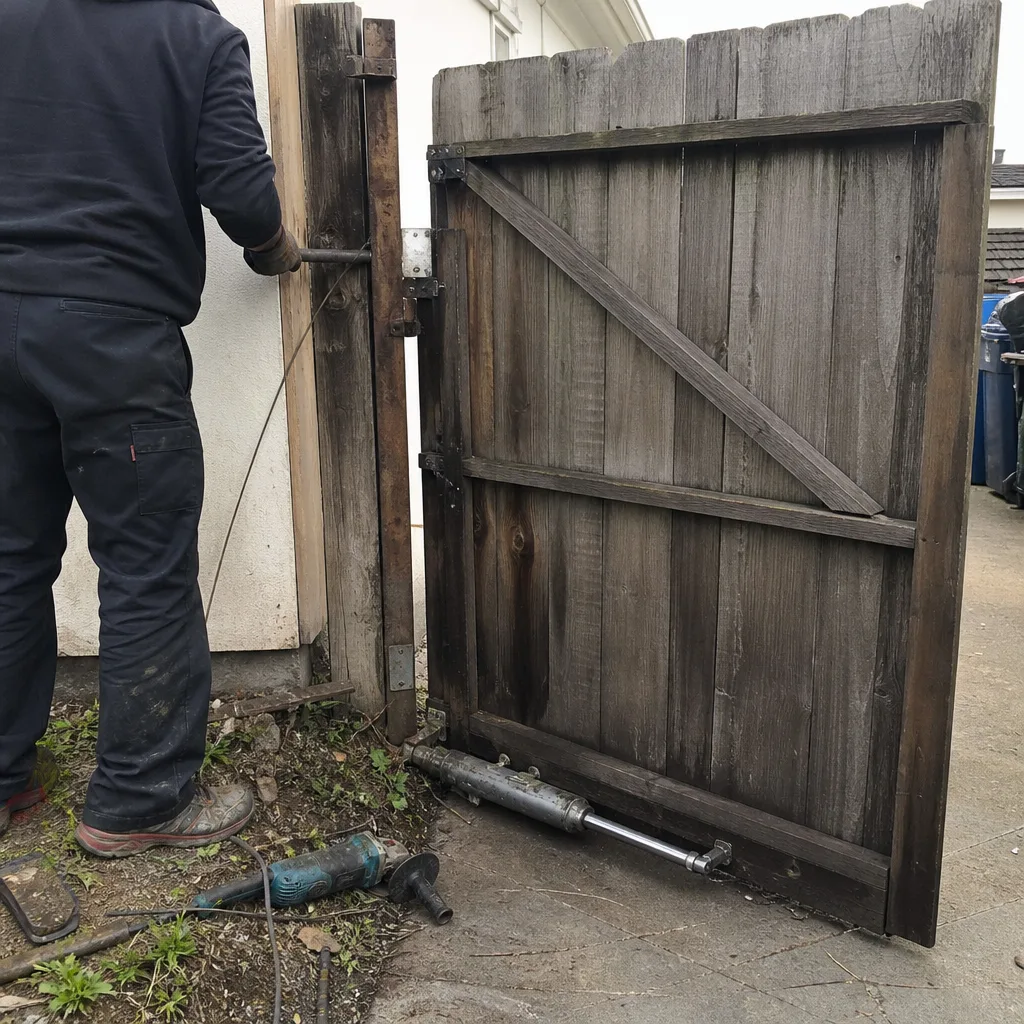 Before
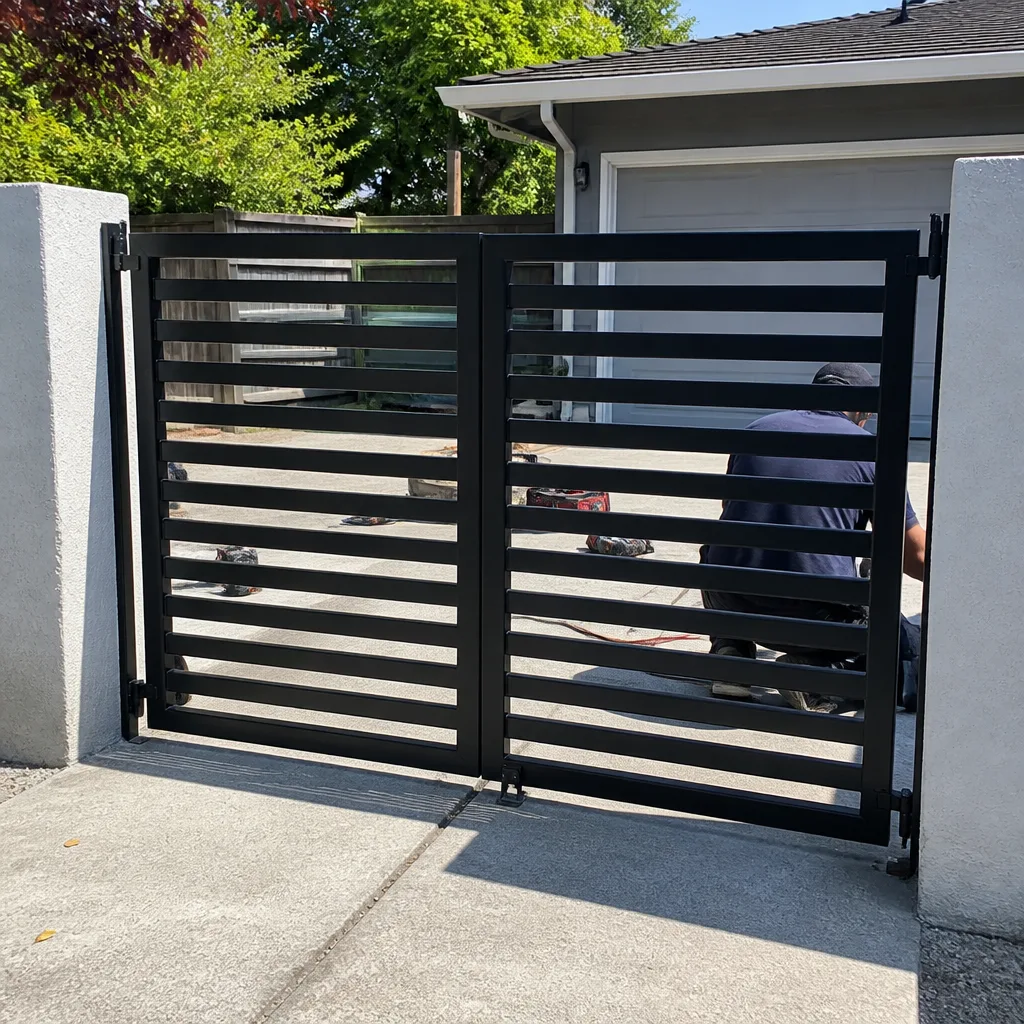
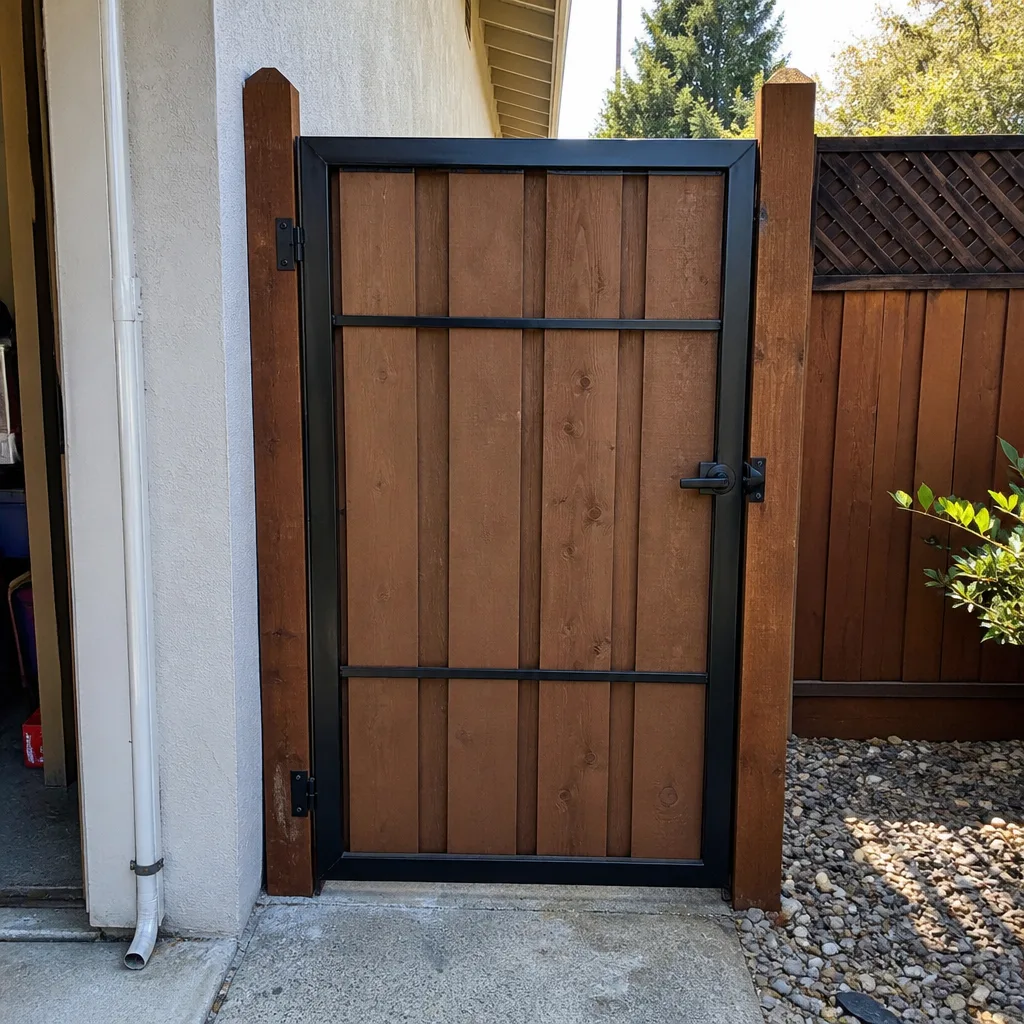 After
After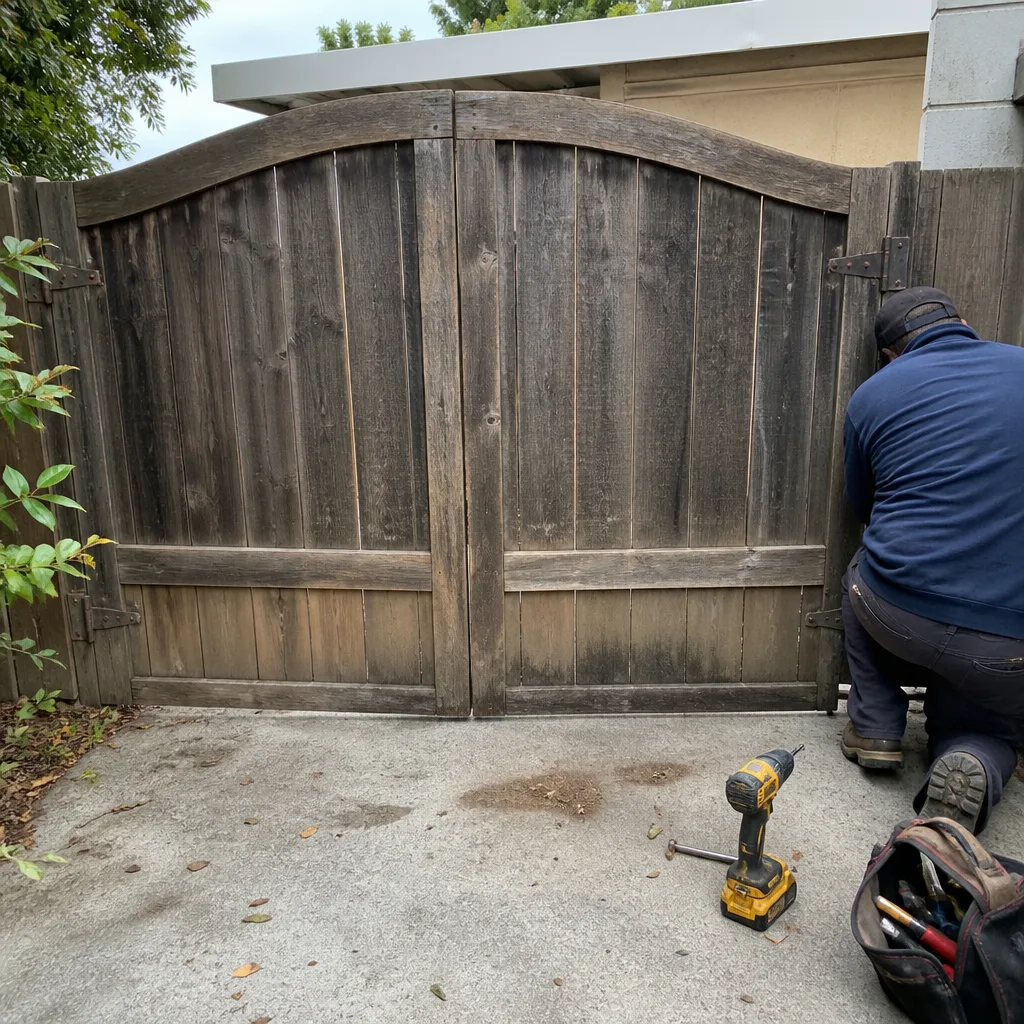 Before
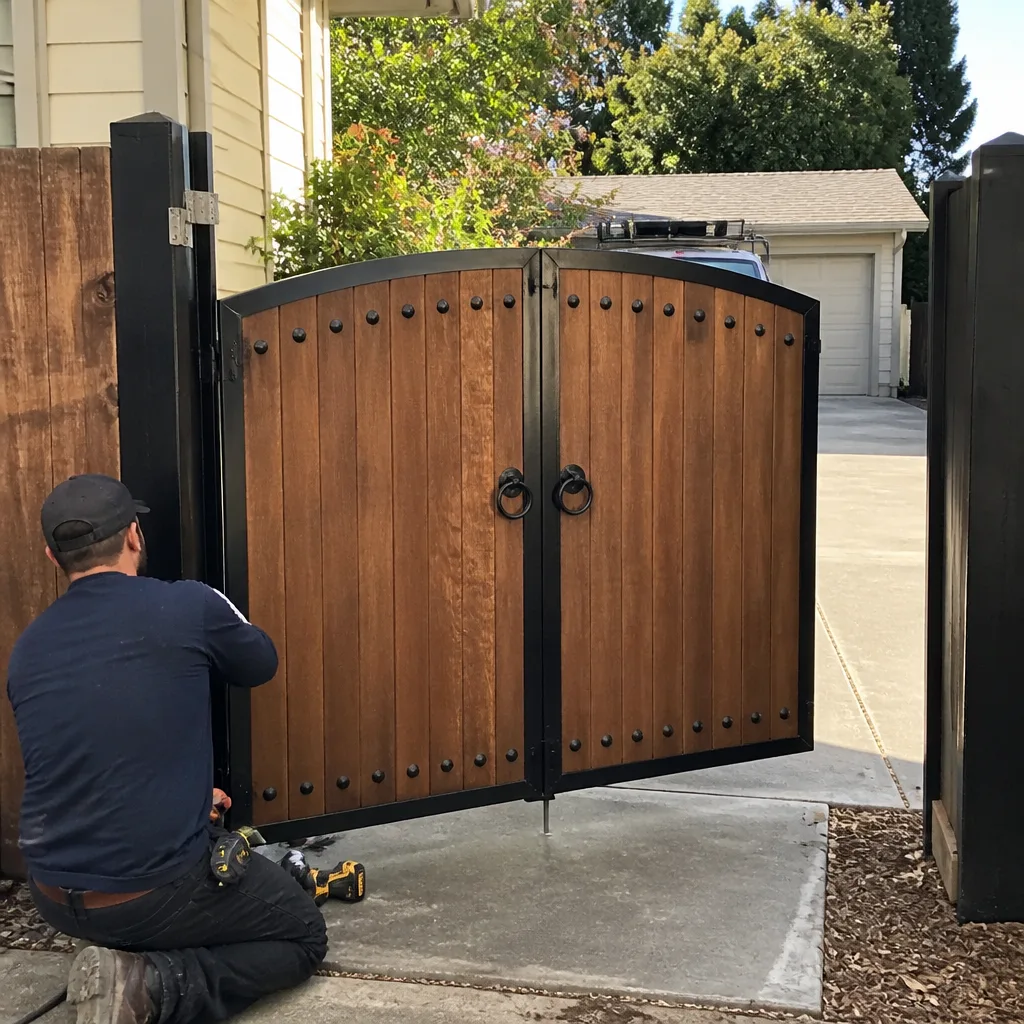 After
After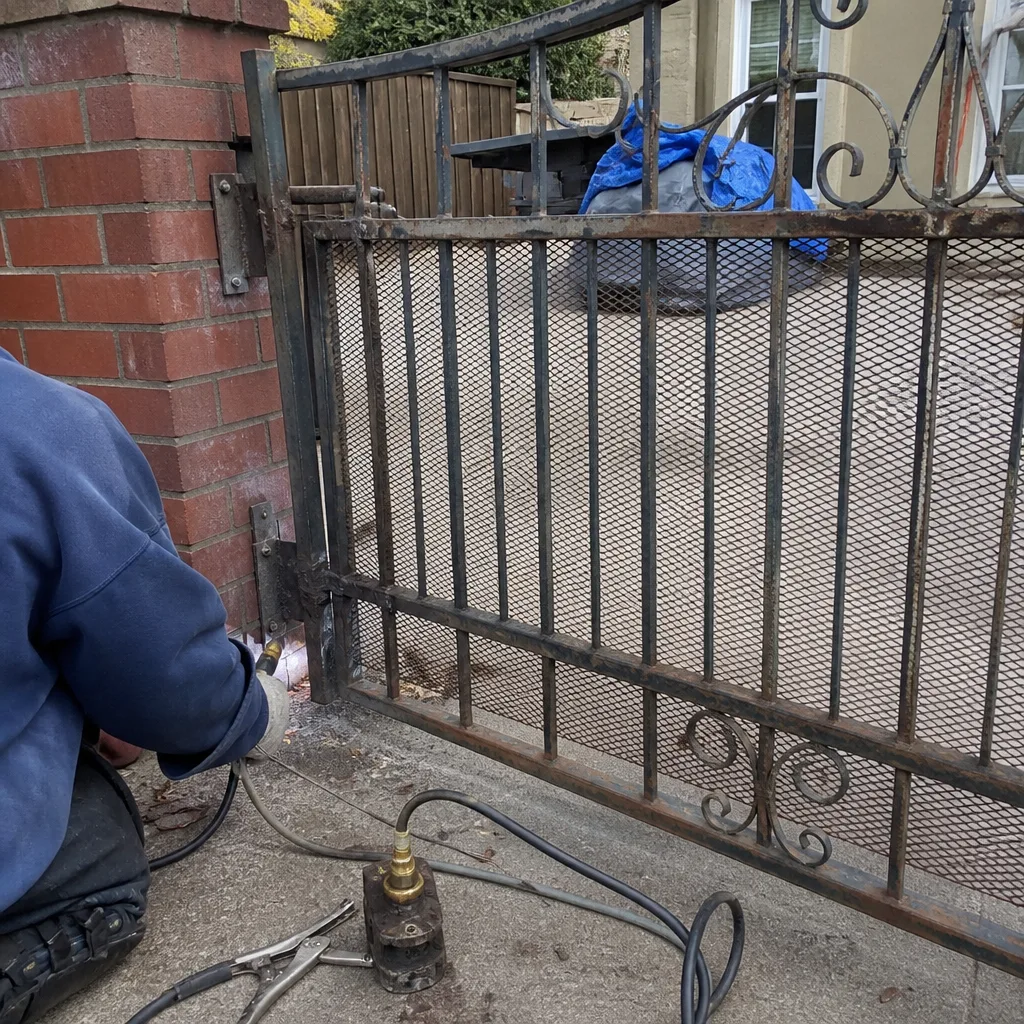 Before
 After
After