
Last updated October 16, 2026
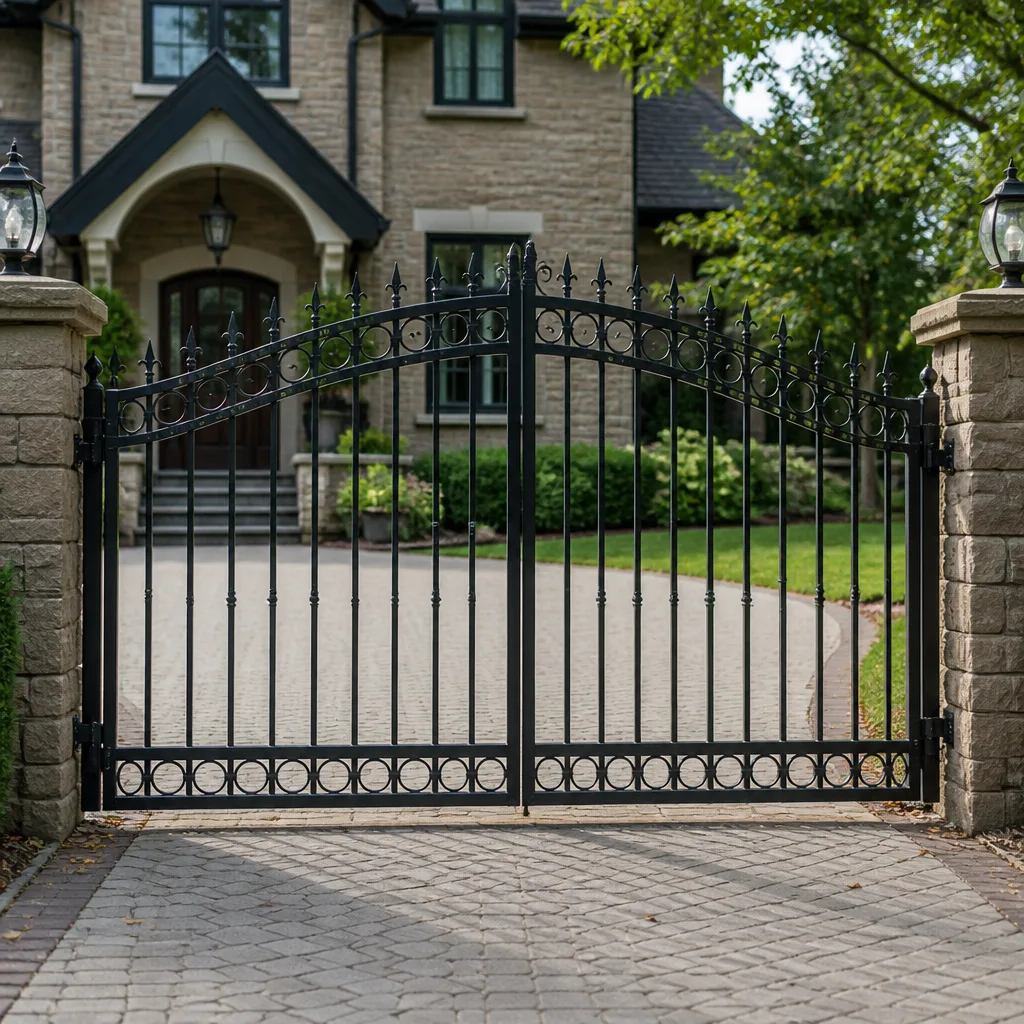 Wrought iron
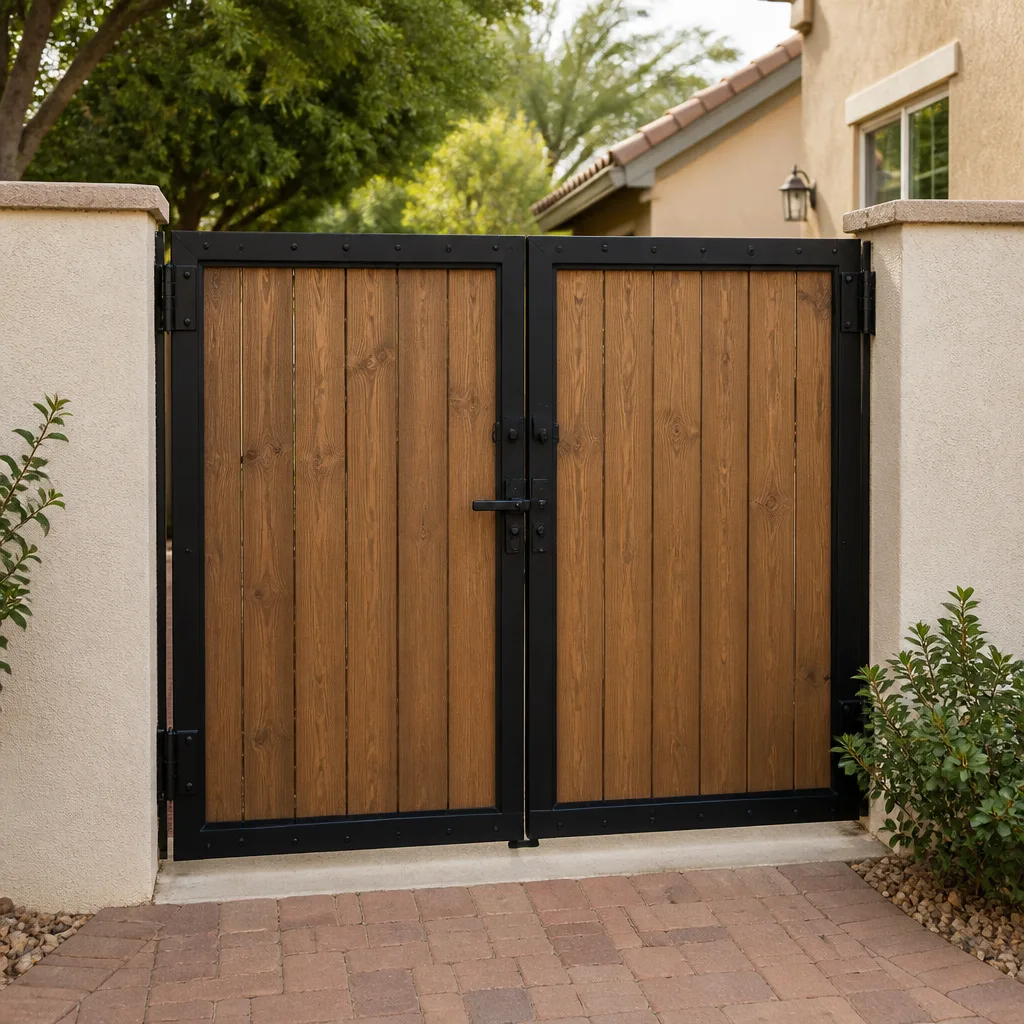 Wood & steel frame
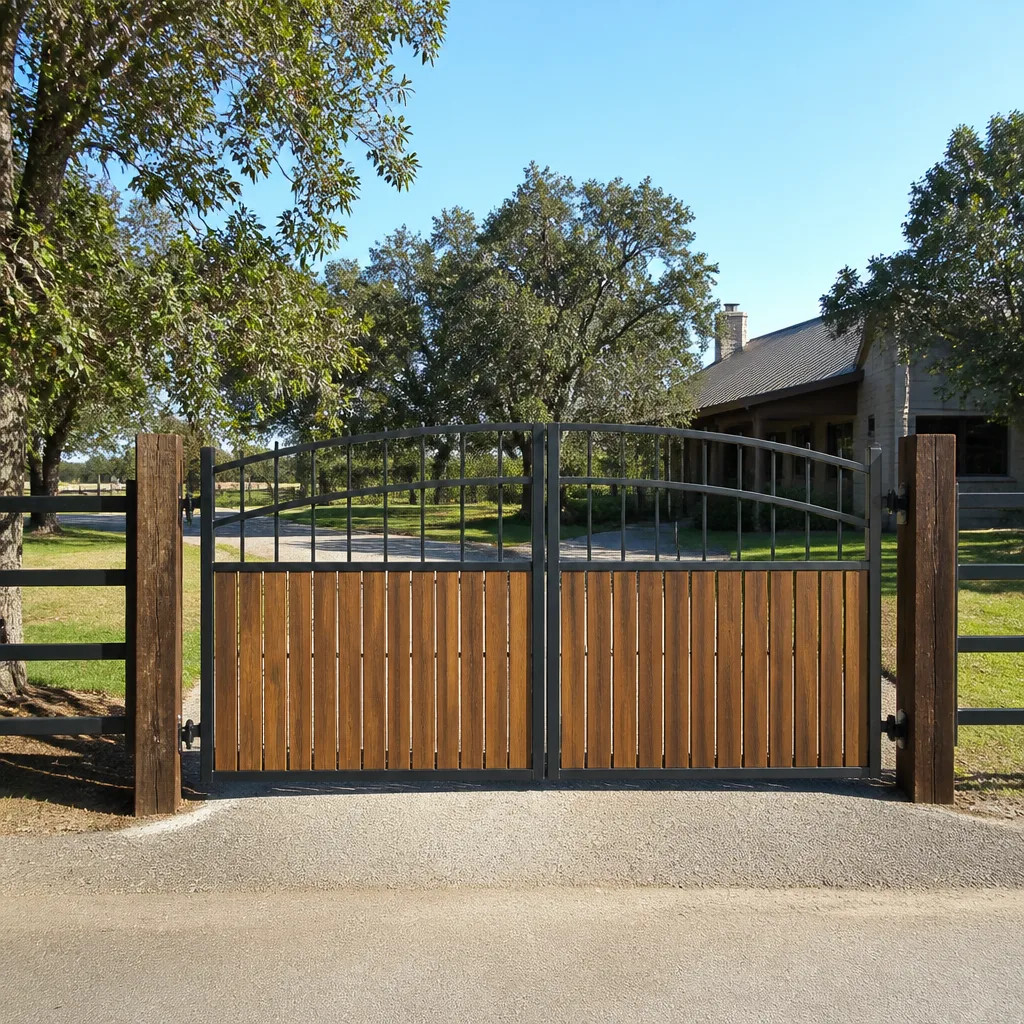 Farm & ranch
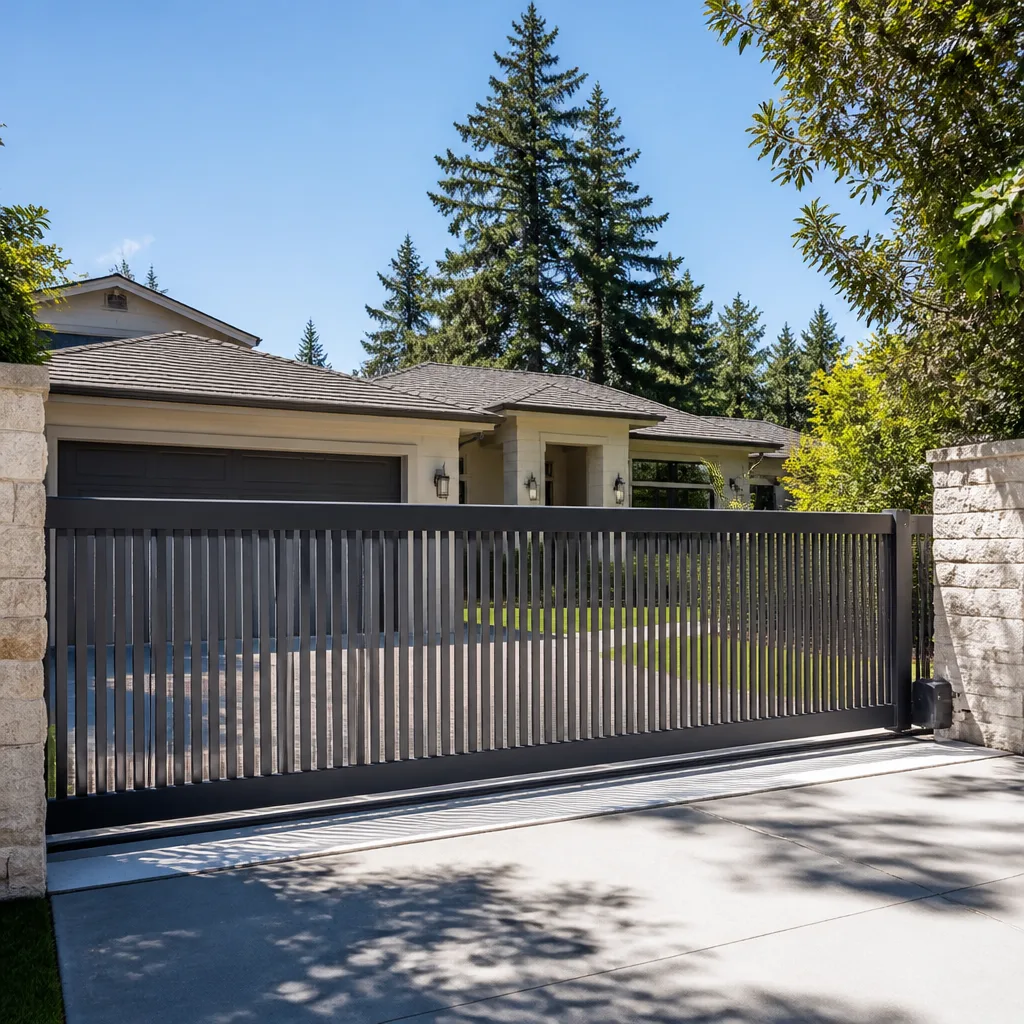 Sliding driveway gates
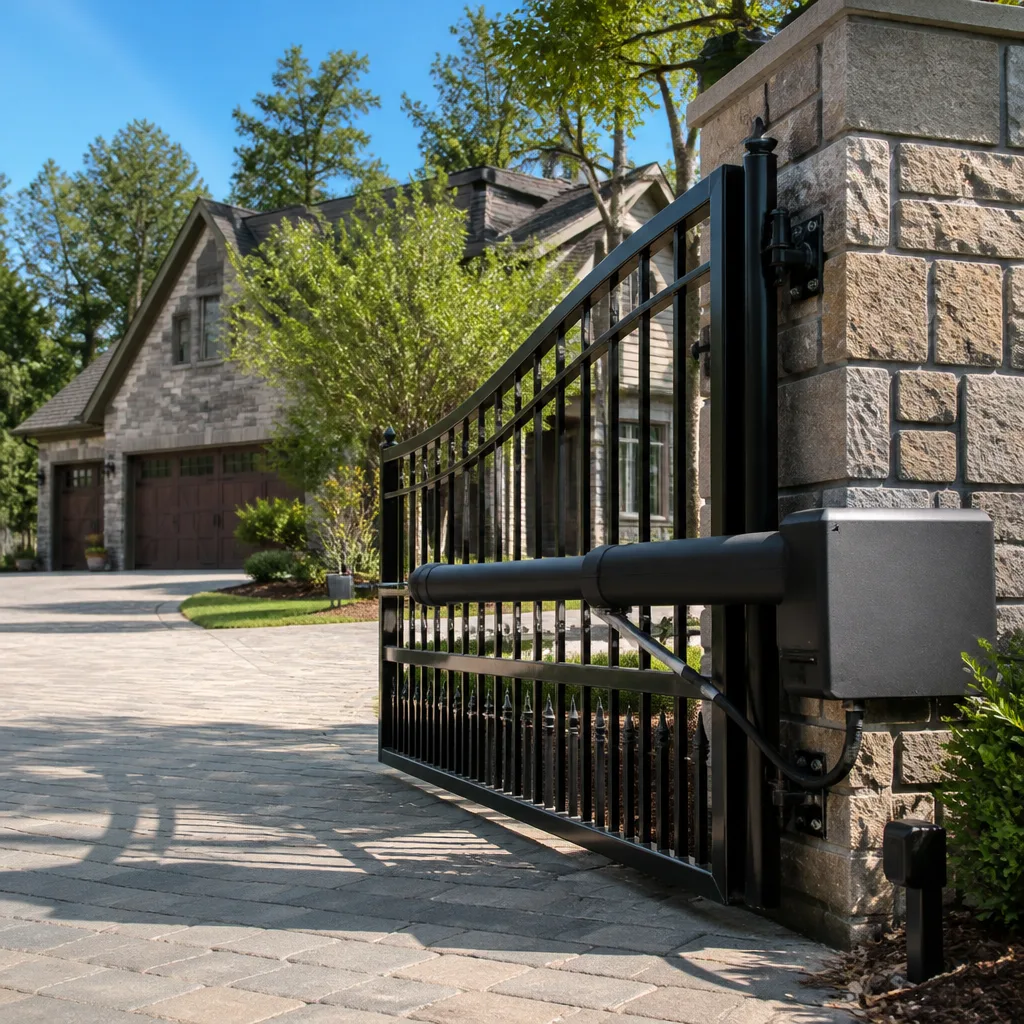 LiftMaster operators
Free on-site gate assessment - hinges, posts, and your LiftMaster or Nice gate operator checked before anything is quoted
The assessment is free and the quote is the invoice.
Get your free estimateGate Repair Permits, Codes & Inspections in CA: What You Need to Know
Here’s the reality most San Jose homeowners discover too late: a gate contractor who skips the permit isn’t doing you a favor. They’re shifting liability onto you. When you sell your home, the buyer’s inspector checks for unpermitted work. When a gate falls and injures someone, your insurance company checks whether the installation met code. If your contractor didn’t mention a permit, there’s a good chance you now own an unpermitted modification that could block your home sale or void your homeowner’s insurance claim. This guide walks you through exactly what California and San Jose require, what inspectors actually check, and how to fix unpermitted work before it becomes a five-figure problem. For more detail, see our Gate Repair Warning Signs: A San Jose Homeowner’s Reference Guide. In our experience working on gates across San Jose, from Almaden to Berryessa, we’ve watched too many owners discover this on closing day.
Styles & brands we work with
Quick Answer
Gate permit requirements in San Jose depend on four factors: whether the gate is automated, whether you’re replacing posts or footings, whether the gate exceeds 7 feet in height, and whether the opener runs on 120V power. A simple hinge replacement or opener swap usually needs no permit, but anything involving new footings, structural posts, or new electrical runs typically does. When in doubt, call San Jose’s Building Division before work starts. The phone call costs nothing – the unpermitted work can cost you a sale.
Table of Contents
- Which Gate Repairs Trigger Permits in San Jose
- UL 325 and California Code: What Inspectors Actually Check
- The HOA Layer: Gated Communities in San Jose
- What Unpermitted Gate Work Means for Insurance and Resale
- How to Request a Retroactive Permit
- What Gate Permits Cost in San Jose
- Common Mistakes to Avoid
- When to Call a Professional
- Frequently Asked Questions
- The Bottom Line
Which Gate Repairs Trigger Permits in San Jose
San Jose follows the California Building Code (CBC) with local amendments, and gate work falls into a gray area that confuses even experienced contractors. Here’s the breakdown based on how the Building Division actually applies the rules:
No permit required:
- Replacing gate opener arms, circuit boards, limit switches, or remote receivers on an existing automated gate
- Replacing hinges, rollers, wheels, or latch hardware on an existing gate leaf
- Adjusting gate travel limits, force settings, or closing speed on an existing opener
- Replacing a gate leaf of the same size and weight on existing posts, as long as no electrical work is involved
- Adding or replacing safety photo eyes or edge sensors on an existing automated gate
Permit required:
- Installing new gate posts that require concrete footings
- Installing a brand-new automated gate where none existed before
- Running new 120V electrical power to a gate opener or keypad
- Replacing a gate with one that’s taller than 7 feet or significantly heavier
- Any gate that will be installed within a required front setback in San Jose
- Installing a new pedestrian gate in a masonry or concrete wall that’s subject to engineering review
The threshold that catches most San Jose homeowners is the height rule. San Jose’s zoning code sets a 7-foot maximum height for gates in most residential zones, and gates taller than that in a front yard or side yard facing a street trigger design review. We’ve seen this most often in neighborhoods like Willow Glen and Rose Garden, where older homes often have 8-foot driveway gates that were built before current standards. If you’re simply repairing the opener on one of those gates, you’re generally fine. If you’re rebuilding the gate itself, the city may ask questions.
The dollar threshold matters too. San Jose doesn’t have a blanket “repairs under $500 don’t need a permit” exemption. The trigger is scope, not cost. A $2,400 opener replacement on an existing gate needs no permit. A $700 post replacement that involves pouring new concrete does.
One more San Jose specific layer: the city requires a separate electrical permit for any new circuit or extension of an existing circuit to power a gate opener. Even low-voltage control wiring, if it’s part of a new installation, falls under the electrical code. The only exception is a battery or solar powered opener that never connects to line voltage. That’s why a Viking or Ghost Controls solar opener on an existing gate is often the fastest way to upgrade without pulling permits. Our Gate Opener Repair in San Jose team regularly works on exactly this scenario.
UL 325 and California Code: What Inspectors Actually Check
UL 325 is the national safety standard for automated gates, and California adopts it by reference into the state building code. If you’re getting a gate permit in San Jose, the inspector’s checklist comes straight from UL 325. Here’s what they look for:
Entrapment prevention sensors. Every automated gate must have either photo eyes (the small black sensors on the gate posts that detect an obstruction and reverse the gate) or an edge sensor (a pressure-sensitive strip on the leading edge of the gate). Inspectors in San Jose specifically check that photo eyes are mounted at the correct height, usually 6 to 12 inches above the ground for vehicular gates, and that the gate reverses within 2 seconds of contact with an obstruction.
Force settings. The gate opener’s internal force limiter must be set so the gate stops and reverses when it encounters resistance. The inspector will often test this by putting a hand on the gate as it closes. If the gate keeps pushing, the force setting is too high and the inspection fails. This is a frequent failure point after DIY opener swaps because many people crank up the force to close a gate that’s binding on a misaligned hinge, which is a safety violation and a code violation at the same time.
Warning signage. UL 325 requires specific warning signs on both sides of an automated gate. This sounds bureaucratic, but the signs are the manufacturer’s way of limiting liability, and inspectors do check for them. The signs must say something to the effect of “Automatic Gate – Moving Gate Can Cause Serious Injury or Death – Keep Clear” and be visible from both directions.
Manual release. Every automated gate must have a manual release mechanism that works without power. For slide gates, it’s usually a keyed disconnect on the motor. For swing gates, it’s often a pull pin or a crank. Inspectors check this because it’s a fire access issue: emergency responders need to open the gate if the power is out.
Positive stops. The gate must have physical stops at both ends of its travel. This means a mechanical limit, not just the software limit in the opener’s programming. We’ve seen BFT and Linear openers fail inspection in San Jose because the installer relied only on the electronic travel limit, which can drift over time.
The practical takeaway: if you’re planning to pull a permit for gate work in San Jose, budget for safety sensor upgrades because most gates over five years old don’t meet current UL 325 sensor spacing requirements. A gate repair that was going to cost $400 for the opener swap becomes $1,200 with two new photo eyes and the labor to wire them. That’s not a upsell; it’s the code.
The HOA Layer: Gated Communities in San Jose
Here’s the thing most permit guides skip: in a gated community or planned development, the HOA approval layer sits on top of the city permit layer. You need both, and one doesn’t replace the other. In San Jose, this affects thousands of homes in developments like The Villages, Silver Creek, and Evergreen’s many gated enclaves.
HOA architectural review committees in San Jose typically have two documents that govern gate work:
- The CC&Rs (Covenants, Conditions & Restrictions) – these govern what you can build and often specify gate style, material, color, and height. Many San Jose HOAs cap gate height at 6 feet even though the city allows 7.
- The Architectural Guidelines – this is the design review document that tells you what materials are acceptable. We’ve seen HOAs in Silver Creek that require specific wrought iron patterns and reject aluminum flat-bar gates as “not in keeping with the community character.”
An HOA can fine you for unapproved gate work even if the city issued you a permit and the work passed inspection. The two jurisdictions don’t talk to each other. We’ve seen a San Jose homeowner pay $3,800 for a new gate and opener, pass city inspection, and then get a compliance letter from their HOA requiring them to repaint the gate from black to dark bronze to match the approved palette. That cost $650.
Before you start any gate project, check your HOA’s architectural review process. Most HOAs in San Jose require a written application with photos or drawings and take 14 to 30 days to respond. Opening the gate repair conversation with your HOA early saves the kind of rework that makes a reasonable project expensive. For help choosing a qualified professional, read How to Hire a Gate Repair Contractor in San Jose: A Step-by-Step Guide.
What Unpermitted Gate Work Means for Insurance and Resale
Unpermitted gate work is a quiet liability you carry until the day you sell the house, and it surfaces in two specific ways: insurance and disclosure.
Insurance. If your automated gate injures someone – a child, a delivery driver, a neighbor’s dog – and the gate was installed or modified without a permit, your homeowner’s insurer has grounds to deny the liability claim. The policy language usually requires that modifications to the property comply with local code. Unpermitted work is, by definition, not verified as code-compliant. In our experience across San Jose, we’ve seen insurers dig into whether a gate opener that caused an injury was permitted as part of their claim investigation. The burden of proof is on you, the homeowner, and if you can’t produce a permit, you’re left arguing with a claims adjuster instead of getting the claim paid.
Resale. California’s seller disclosure requirements are strict. The TDS (Transfer Disclosure Statement) and the SPQ (Seller Property Questionnaire) both ask whether any work was done without permits. Lying is fraud and can unwind a sale. Disclosing honestly means the buyer can negotiate a price reduction to cover retroactive permitting or simply walk away. Either way, you lose money at the point where it hurts most: closing. We’ve talked to San Jose homeowners in Almaden Valley and Cambrian who had buyers’ inspectors flag unpermitted gate openers and demand $2,000 to $5,000 in credits. In a seller’s market you might still close, but you’ll close for less.
Appraisals. Unpermitted work doesn’t count toward appraised value. If your $8,000 gate installation was never permitted, the appraiser treats it as “unpermitted improvement” and assigns it zero value, or in some cases a negative adjustment if it’s unsafe. That’s a direct hit to your home’s valuation.
One more San Jose reality: building permits are public record. A buyer’s agent who pulls the permit history for your address can see what was permitted and what wasn’t, and they do this routinely. The gate you built in 2017 without a permit is discoverable by anyone who asks.
How to Request a Retroactive Permit
If prior gate work was done without a permit, you have options, but the path depends on what was done.
Step 1: Determine the scope of the unpermitted work. Was it a new gate on new posts with new electrical? Then it’s a structural and electrical permit. Was it an opener swap with no new wiring? Then it likely needed no permit in the first place, and you can document that with a written evaluation from a licensed contractor.
Step 2: Gather documentation. Photos of the gate, the opener, the posts, and any wiring. If you have receipts or a contract from the original installer, find them. If you don’t know who installed the gate, say so when you talk to the city – honesty moves the process faster than guessing.
Step 3: Contact San Jose’s Building Division. You can call them directly or visit the permit center at City Hall. Explain that you have existing gate work that was done without a permit and you want to bring it into compliance. Ask for what San Jose calls an “authorization to remain” or a “retroactive permit.” The city doesn’t usually penalize homeowners who proactively bring unpermitted work to their attention, but they will require an inspection.
Step 4: Have the work inspected. The inspector will check the gate against current code, not the code that was in force when it was built. This matters. A gate installed in 2015 to the standards of 2015 may not meet 2026 UL 325 requirements. You may need to add photo eyes, replace the opener, or adjust the gate to pass.
Step 5: Cure any deficiencies. If the inspector flags issues, you’ll get a list. Fix them, schedule a reinspection, and get the final sign-off. Once the permit is closed, you have documentation that the work is code-compliant, which satisfies both the insurance carrier and the next buyer.
The cases where a retroactive permit is not possible: if the gate was built in a location that violates current zoning (for example, too close to the sidewalk or blocking a required fire access lane), the city won’t authorize it to remain. You’d have to move the gate. That’s the worst-case scenario, and it’s expensive, but it’s rare for residential driveway gates in San Jose. If your gate is more than a few years old and you suspect it wasn’t permitted, it’s worth finding out before you list.
What Gate Permits Cost in San Jose
San Jose permit fees are based on the valuation of the work, which is the total cost including labor and materials, not just the parts. For a typical automated gate project, here’s the range:
| Permit Type | Typical Cost | Notes |
|---|---|---|
| Simple gate repair (no structural/electrical) | $0 | No permit needed |
| Gate post replacement with new footings | $180 – $320 | Building permit |
| New automated gate installation (new posts, new opener, new power run) | $350 – $700 | Combined building + electrical permit |
| Electrical permit only (power run to existing gate) | $150 – $250 | Electrical permit |
| Retroactive permit (unpermitted work) | Double the standard fee | San Jose charges a penalty |
These are the permit fees only. The inspection itself is included in the permit fee, but if you fail an inspection and need a reinspection, San Jose charges a reinspection fee. It’s usually in the $120 to $160 range.
Other cost considerations in San Jose: if your gate project requires engineering (which is common when the gate is wider than 16 feet or sits on a slope like many hillside homes in the East Foothills), budget $600 to $1,200 for a structural engineer’s stamp. And if your HOA requires architectural review, that’s usually free but takes time.
Most Gate Repair in San Jose doesn’t require a permit at all, which is exactly why the permit conversation often doesn’t happen. If your gate isn’t opening or closing properly and the fix is a new circuit board or limit switch, no permit is needed. The permit question only arises when the repair becomes a replacement, and that’s where our Electric Gate Repair in San Jose team walks through the options with the city’s rules in mind.
Common Mistakes to Avoid
- Assuming “repair” never needs a permit. San Jose’s definition of repair is narrow. If you’re replacing a post, pouring a new footing, or running new electrical, that’s no longer a repair – it’s construction. The word “repair” on your invoice doesn’t change what the city considers the scope.
- Letting the HOA approval substitute for a city permit. Your HOA’s stamp of approval doesn’t mean the city has reviewed anything. An HOA that approves an 8-foot gate in a front yard is approving something the city might require you to modify. You need both approvals.
- Replacing a gate with a heavier one without checking the posts. This is a code issue and a safety issue.We’ve replaced gates in San Jose’s Blossom Valley where a homeowner hung an 800-pound gate on posts poured for a 250-pound gate. The posts eventually cracked, the gate sagged, and the repair cost more than the original job. UL 325 requires the gate and posts to be engineered as a system, not just a gate on whatever posts happen to be there.
- Skipping photo eyes to save money. The photo eye sensors are a couple hundred dollars. The injury claim from a gate that closes on a child is life-changing. More relevant to this guide: you will not pass inspection without them, so skipping them only saves money if you also skip the permit, which creates the insurance and resale liability covered above.
- Believing a handyman’s electric work is fine “because it works.” A 120V circuit to a gate opener is still a 120V circuit. San Jose requires electrical permits for new circuits, and the work must be done by a licensed electrician or a contractor with an electrical classification. We’ve repaired low-voltage wiring behind unlicensed work that was daisy-chained incorrectly and created a short that killed the opener.
- Not knowing your gate opener brand before you start. If you have a BFT or a Linear opener, the replacement parts, the wiring, and the programming are brand-specific. A contractor who doesn’t know the brand before arriving is guessing, and guessing leads to either the wrong part or a workaround that fails. Get the manufacturer and model off the motor housing before you make any calls.
When to Call a Professional
If you’re replacing a post, running new electrical, or installing a gate taller than 7 feet, you need a contractor who knows San Jose’s permit process. If your gate opener is a BFT, Linear, Viking, or Ghost Controls unit that’s acting erratically, that’s a diagnostic issue best handled by someone who works on that brand regularly. If you’ve inherited unpermitted gate work from a previous owner and you need a code-compliance assessment before listing your home, a professional can tell you what needs to be brought up to standard and what’s exempt. Calder Gate Repair San Jose offers our Gate Repair services with free estimates in San Jose, and we’re straightforward about what needs a permit and what doesn’t. Call (669) 666-6859 if you have questions.
Frequently Asked Questions
No permit is required to replace a gate opener on an existing gate, as long as you’re not running new electrical circuits or moving the opener to a new location. The replacement is considered a repair, not a construction project. Call (669) 666-6859 if you want a quick scope check before you buy an opener.
Most residential gate permits in San Jose cost between $150 and $700 depending on whether you need a building permit, an electrical permit, or both. Retroactive permits for unpermitted work are typically charged at double the standard fee. The exact fee is based on the valuation of the work.
Yes, San Jose allows retroactive permits for unpermitted work, but the inspection is against current code, not the code that applied when the work was done. You may need to upgrade sensors, signage, or the opener itself to pass. The city charges double the standard fee for retroactive permits.
UL 325 requires entrapment protection (photo eyes or edge sensors), properly set force limits, warning signage on both sides of the gate, a manual release for emergency access, and physical stops at both ends of the gate’s travel. San Jose inspectors check all of these during a gate permit inspection.
Most San Jose HOAs require architectural review for gate replacements, new gates, or any change to the gate’s appearance. Repair work that doesn’t change the gate’s look or structure usually doesn’t need HOA approval, but you should check your CC&Rs. HOA approval and city permits are separate processes, and you need both where applicable.
Yes. California requires sellers to disclose unpermitted work, and appraisers don’t count unpermitted improvements toward home value. Buyers’ agents routinely pull permit history in San Jose, so unpermitted gate work is discoverable and often becomes a price negotiation point or a deal-breaker at closing.
Call San Jose’s Building Division and describe the scope in one sentence: what’s being replaced, whether posts or footings are involved, and whether electrical is being changed. They’ll tell you if a permit is required. If you’d prefer a contractor to make that determination on site, Calder Gate Repair San Jose does free estimates: (669) 666-6859. You can also browse more guides & resources on our blog.
The Bottom Line
Gate permits in San Jose come down to scope: simple opener swaps and hardware repairs usually don’t need one; new posts, new footings, new electrical, or gates over 7 feet usually do. UL 325 governs the safety details inspectors check, and unpermitted work creates real liability at insurance claim time and resale time. If you’ve inherited unpermitted gate work, a retroactive permit is possible but it’s priced at double the standard fee and held to current code. The smart move is to ask the permit question before any work starts, not after. Calder Gate Repair San Jose is part of the Relay Home Co. family, established 2009, and every job carries three standing guarantees: a written price before any work starts, a written 365-Day Done Right Promise that brings us back at no charge if the repair fails, and a live person answering every call, 24/7. We work on BFT, Linear, Viking, Ghost Controls, and the other major brands you’re likely to have on your gate. For a free estimate, call (669) 666-6859 or see our Calder Gate Repair San Jose home page for service details.
Written by Nico Alvarez, Owner at Calder Gate Repair San Jose, serving San Jose since 2009.
See the difference
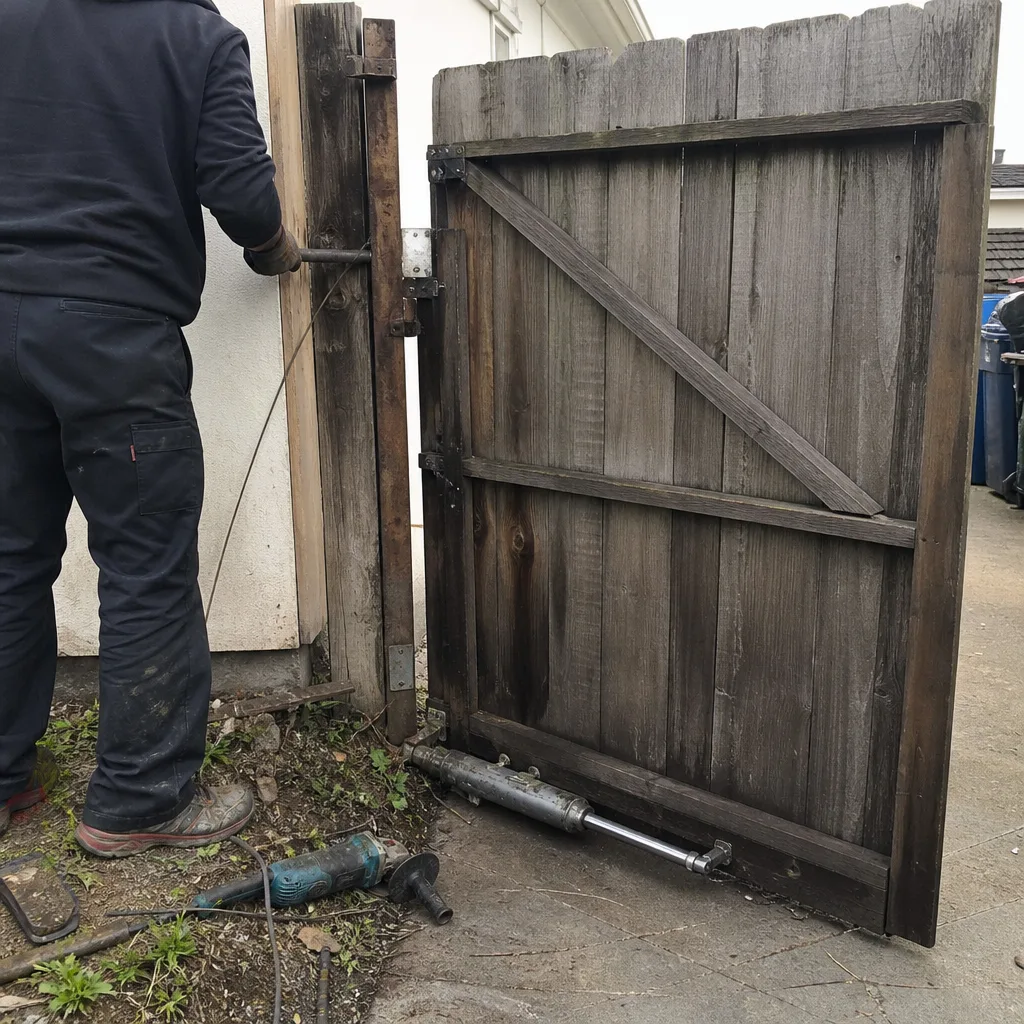 Before
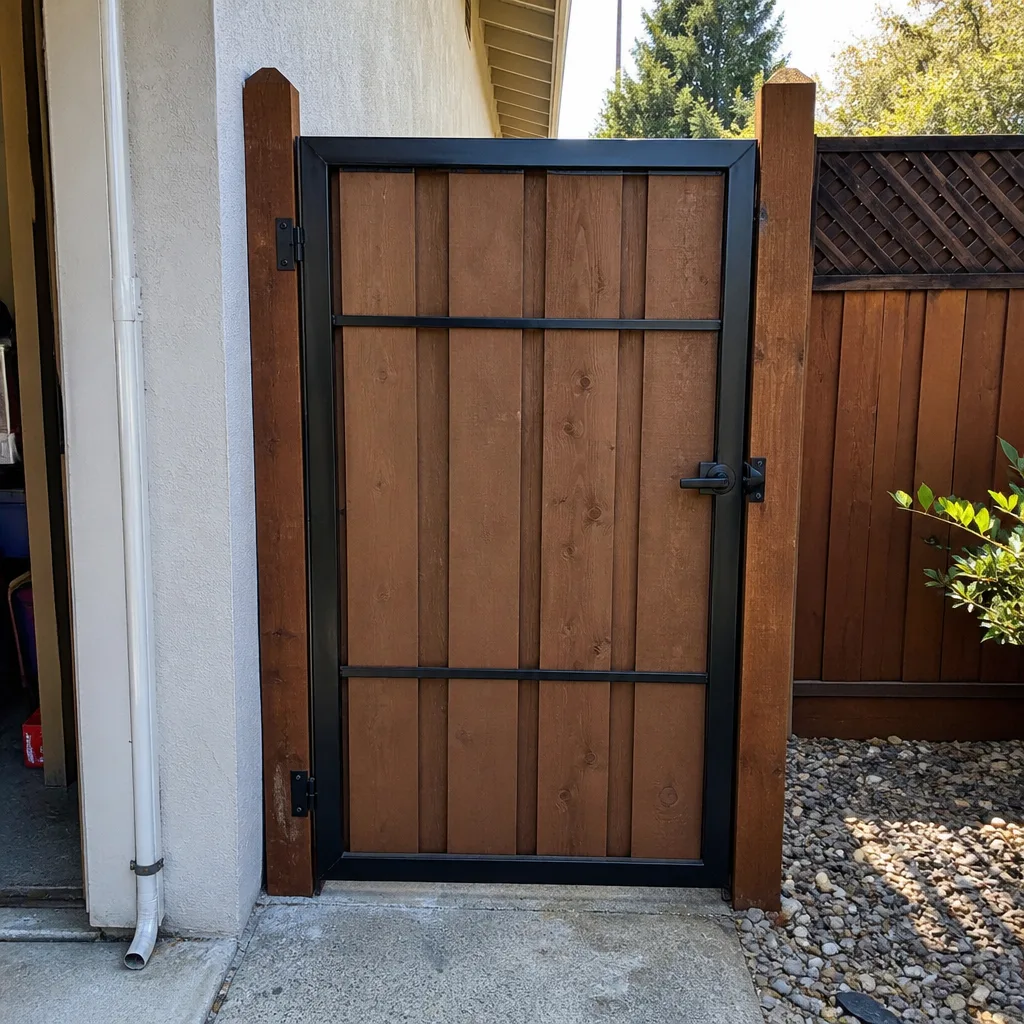 After
After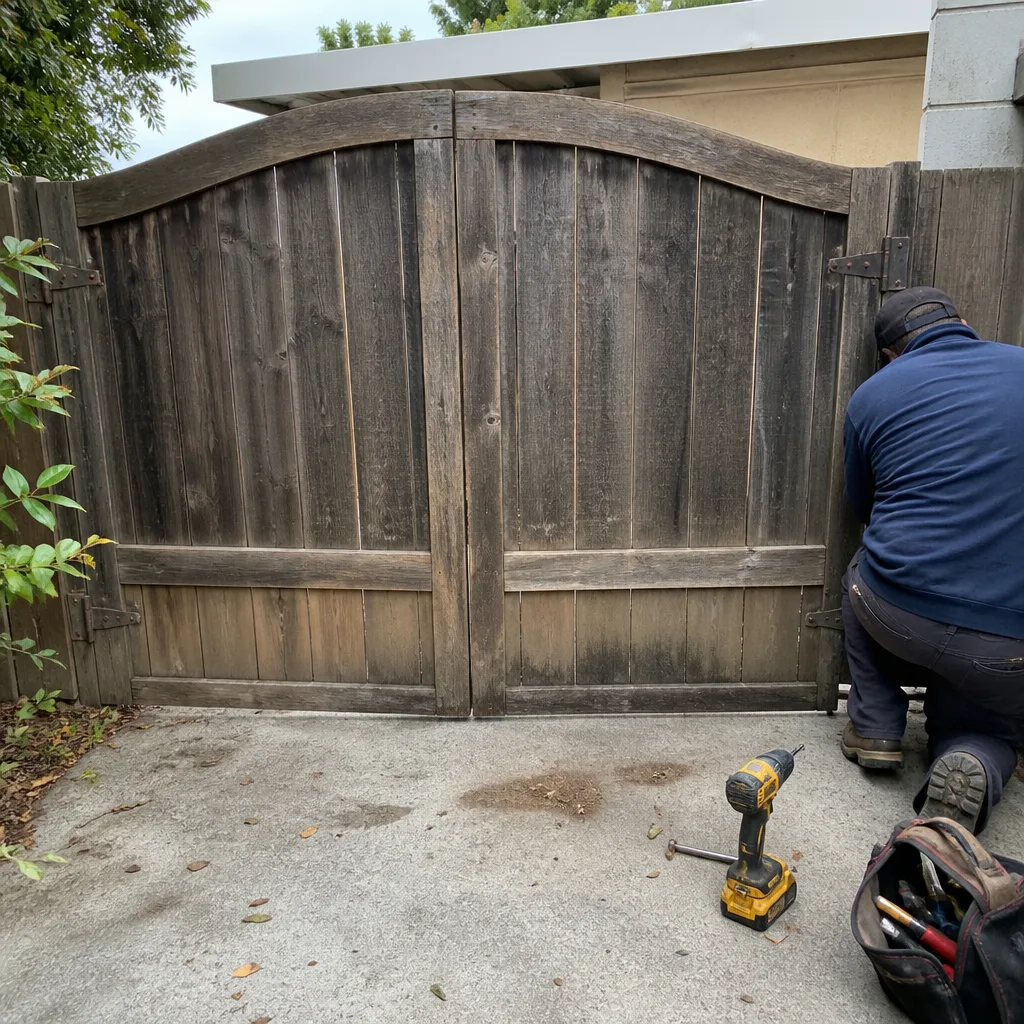 Before
 After
After Before
 After
After