
Last updated October 16, 2026
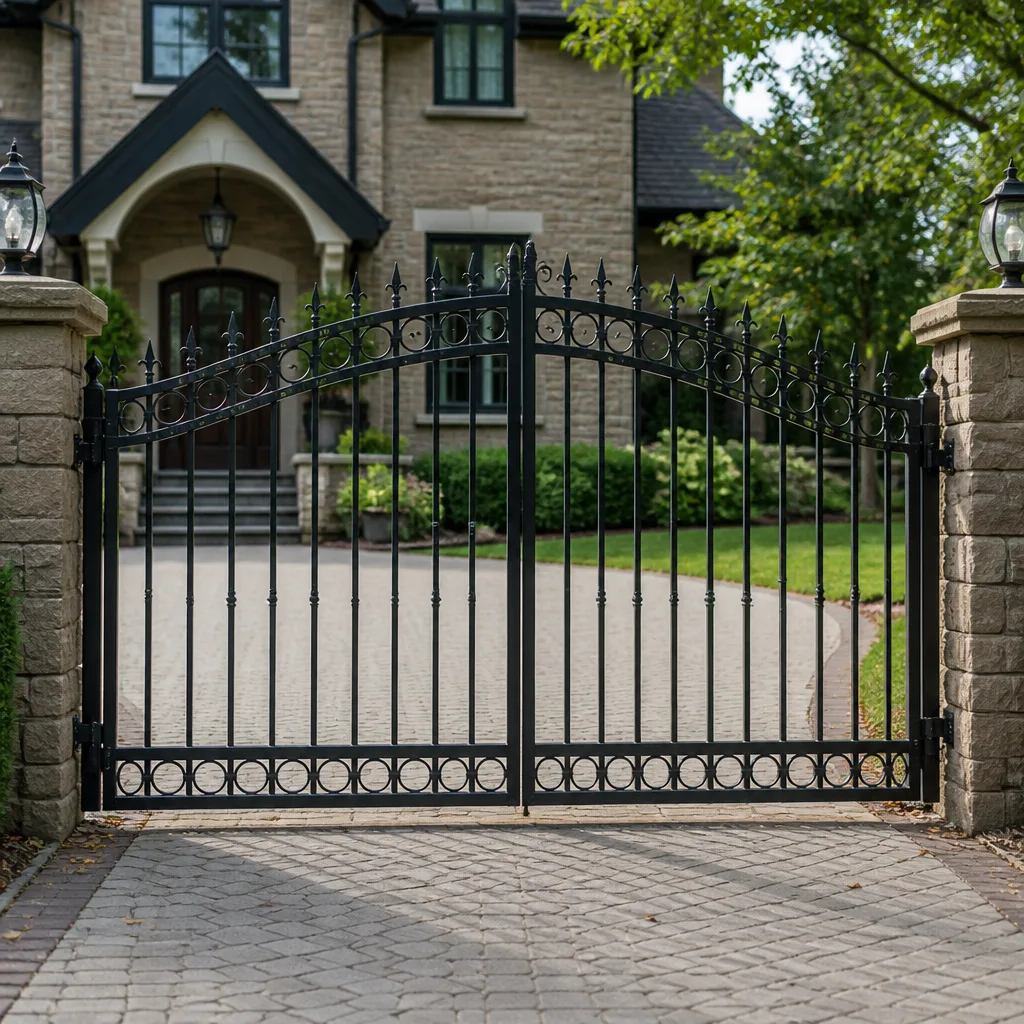 Wrought iron
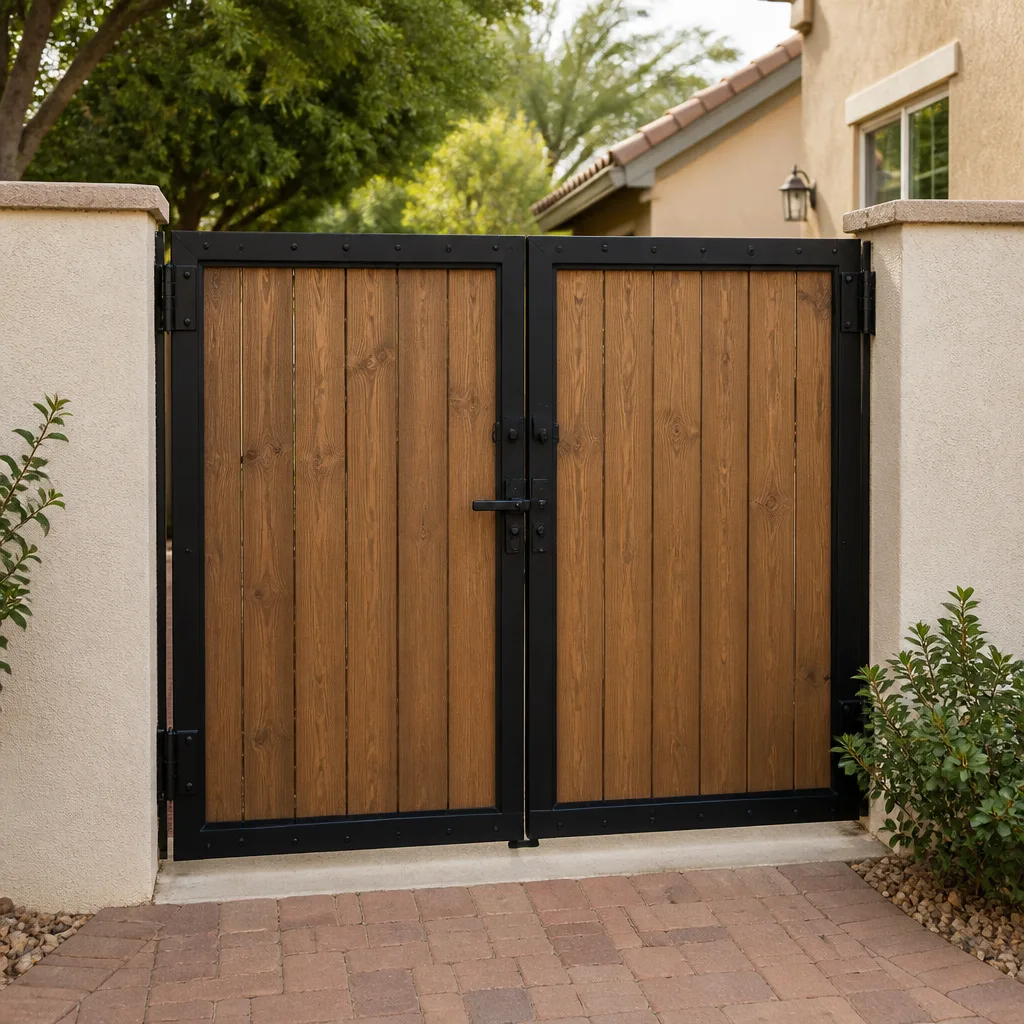 Wood & steel frame
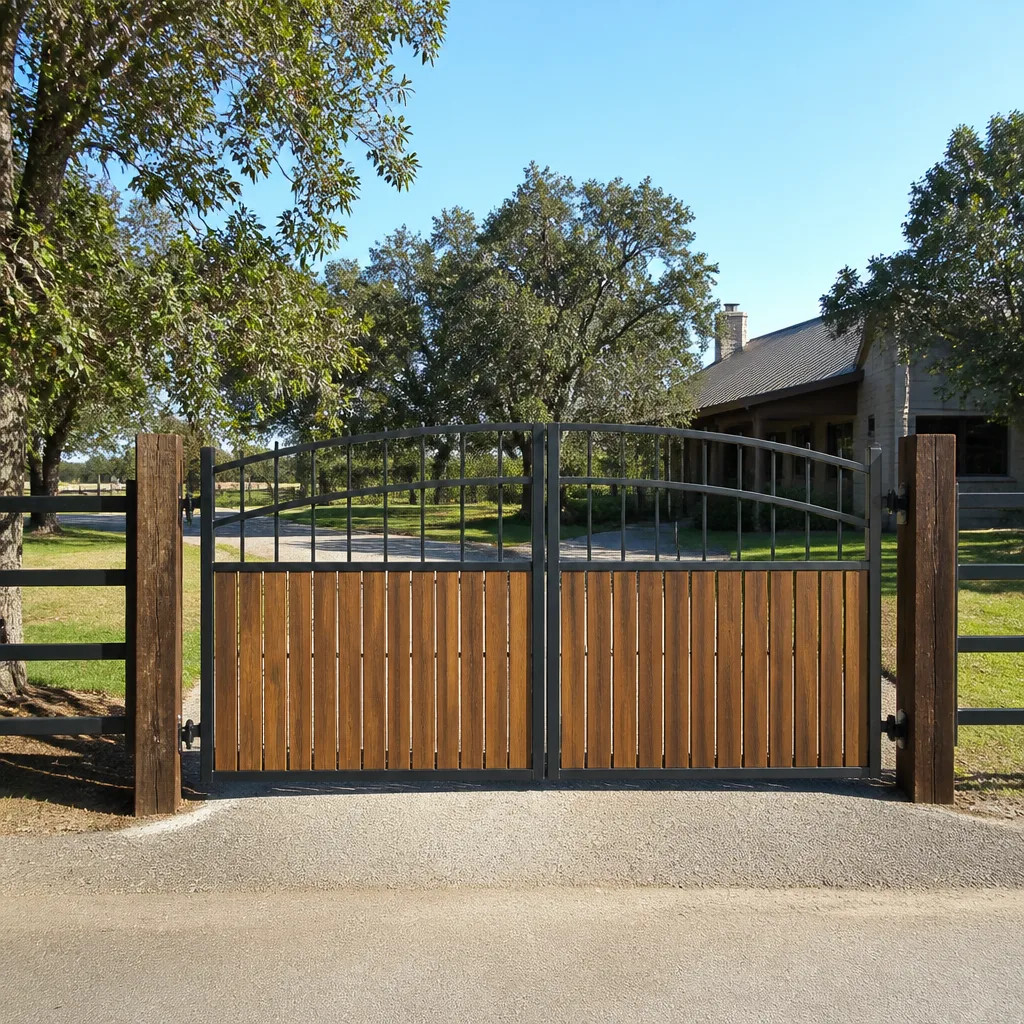 Farm & ranch
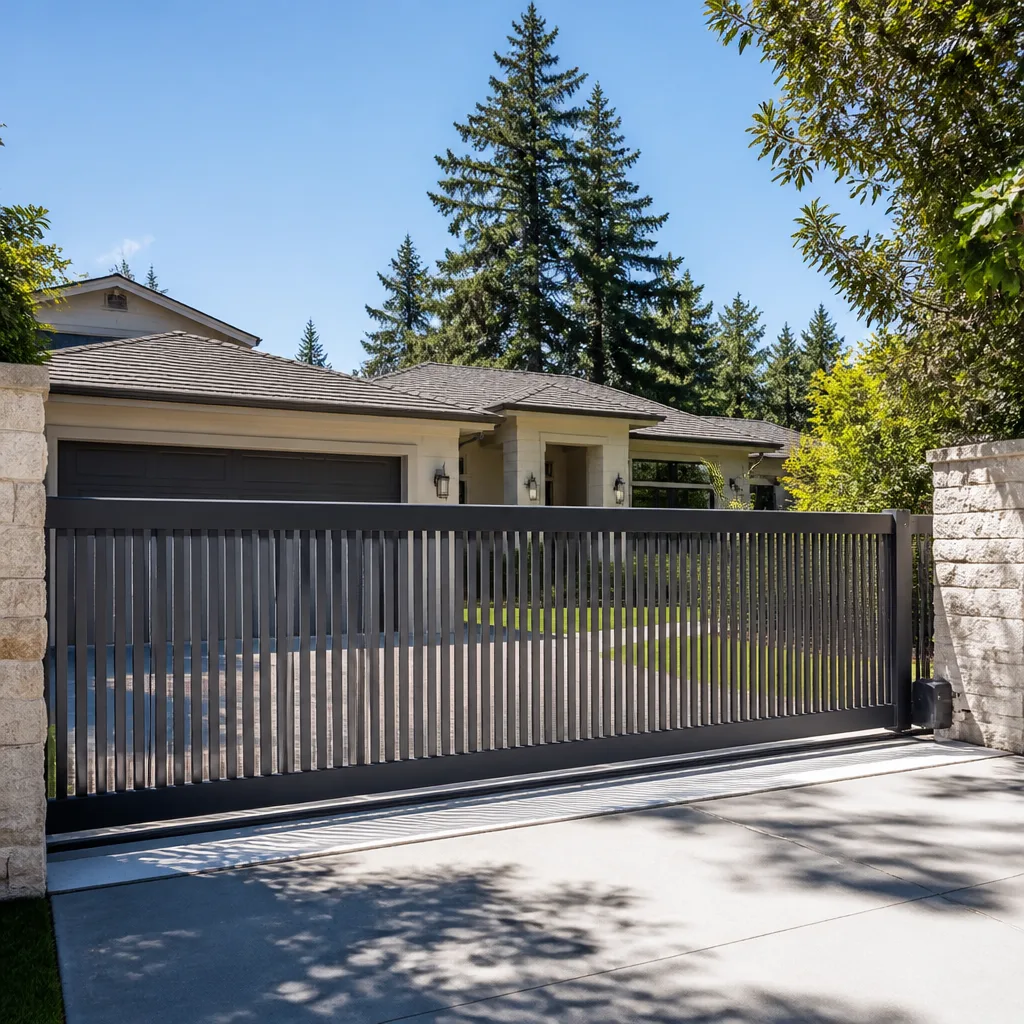 Sliding driveway gates
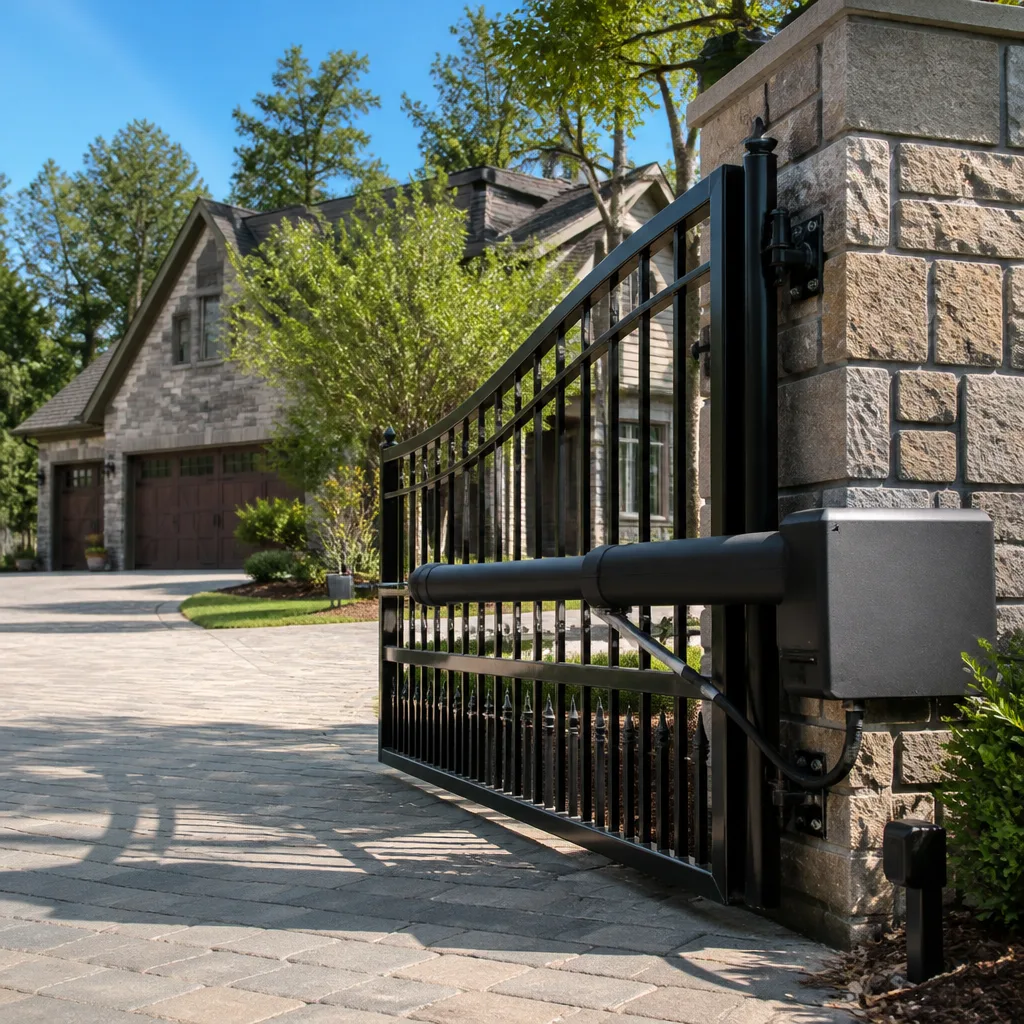 LiftMaster operators
Free on-site gate assessment - hinges, posts, and your LiftMaster or Nice gate operator checked before anything is quoted
The assessment is free and the quote is the invoice.
Get your free estimateHow to Hire a Gate Repair Contractor in San Jose: A Step-by-Step Guide
Most homeowners in San Jose start their search for a gate contractor with the wrong question. They ask about licensing first, which feels responsible but skips over something far more revealing. A general contractor’s license doesn’t tell you whether the person at your driveway has ever opened a FAAC control board or diagnosed a Viking photo eye fault. This guide and our Complete Guide to Gate Repair in San Jose walk you through the vetting process we believe actually works, built from years of watching what happens when the wrong person gets the job first.
Styles & brands we work with
Quick Answer
To hire a contractor for Gate Repair services in San Jose, start by asking which gate opener brands the company trains on and has factory documentation for, verify the California contractor’s license and liability insurance minimums specific to Santa Clara County, then require a written estimate that names the exact repair, parts, warranty length, and total price before any work begins. Most gate opener repairs in San Jose run between $180 and $480 before parts, and a specialist should be able to quote that range over the phone without seeing the gate.
Table of Contents
- Why Gate Repair Is Different From Other Home Services
- Licenses, Bonds, and Insurance: The Santa Clara County Minimums
- Brand Training vs. General Competence: Why It Matters More Than You Think
- The Pre-Hire Phone Script: Five Questions That Expose a Generalist
- Red Flags in Written Estimates: What Vague Language Actually Looks Like
- The Relay Standard: What You Should Expect From Booking to Invoice
- The Full Step-by-Step Vetting Process
- Common Mistakes to Avoid
- When to Call a Professional
- Frequently Asked Questions
- The Bottom Line
Why Gate Repair Is Different From Other Home Services
A broken gate opener is not a fence problem with a motor attached. It’s an automated access system that combines a low-voltage control board, a high-torque drive mechanism, safety sensors, and often a keypad or intercom tied into your home. In San Jose, where many properties in neighborhoods like Willow Glen, Almaden Valley, and Evergreen have electric driveway gates, the failure points are usually electronic, not mechanical.
What this means in practice is that a fencing contractor who installs beautiful ironwork may have zero diagnostic experience when the gate stops halfway, reverses on its own, or beeps continuously but won’t move. Those symptoms point to limit switches, capacitance settings, obstruction loops, or photocell misalignment. A general handyman will often replace the obvious battery or re-grease the track and leave. The gate works for a day, then the same fault returns. We see this exact sequence regularly: a homeowner pays for a $120 service call, gets a temporary fix, and then calls us when the real problem shows up again.
The other reason gate repair is distinct is the voltage mix. Gate openers run on a transformer-fed DC motor or a 24V control circuit, but the operator itself is usually on a 110V line. That combination, plus the weight and pinch risk of a moving gate, means safety margins matter. A contractor who treats it like a garage door opener is missing half the system.
If you’re in the middle of a breakdown right now, our Gate Repair in San Jose page covers common failure symptoms and what a same-day repair visit includes. For now, let’s get into how to vet the person you hire.
Licenses, Bonds, and Insurance: The Santa Clara County Minimums
California requires a C-61/D-28 specialty contractor’s license (Door and Gate, or one of the adjacent specialty classifications) for gate automation work that includes electrical connections, or a C-10 electrical license if the work involves running or altering line voltage. A general B license alone does not cover automated gate repair if the contractor is performing electrical diagnostics and repairs. In Santa Clara County, unpermitted electrical work on gate operators can create issues at resale and with your homeowner’s insurance.
Here’s what to ask and what the answers should be:
- License number: Any legitimate gate specialist in San Jose will provide their CSLB license number before booking. You can verify it at cslb.ca.gov in under two minutes. The license lookup shows the classification, issue date, and any enforcement actions.
- Liability insurance: California doesn’t set a universal minimum for gate work specifically, but for automated access systems on residential property, we tell homeowners to look for at least $500,000 in general liability coverage, and $1,000,000 is common among established companies. Ask for a certificate of insurance, called a COI, with you named as certificate holder if the job is large.
- Workers’ comp: If the contractor has employees, workers’ comp is mandatory in California. If they use subcontractors, each sub needs their own. A sole proprietor with no employees can be exempt, but they should still carry liability.
- Bond: The CSLB requires a $25,000 contractor’s bond for all licensed contractors in California. That’s the financial safety net if the contractor fails to complete the job or damages your property. The bond is not an optional extra; every licensed contractor already carries it.
Verification is fast and unglamorous. Type the license number into the CSLB search, confirm the name matches the business that quoted you, and check the classification is not just “B – General Building.” A general builder can legally offer gate repair under a B license only if the electrical component is subbed out, and even then, the diagnostic skill may not be there. For automated gate systems specifically, you want to see a door and gate classification or electrical classification.
One more San Jose-specific note: if your gate is on a property with an HOA, especially in planned communities in Silver Creek or Almaden, the HOA may have its own contractor pre-approval list for exterior automated repairs. You can ask your management company before you hire anyone.
Brand Training vs. General Competence: Why It Matters More Than You Think
Not all gate openers use the same logic. A LiftMaster troubleshooting chart won’t help you on a BFT board, and a FAAC capacitor configuration is completely different from a Linear limit screw adjustment. When a contractor tells you they “work on all brands,” that sentence alone should make you pause.
What separates a gate specialist is documented, brand-repetitive experience. At Calder Gate Repair San Jose, our technicians carry training and diagnostic documentation across nine brands: LiftMaster, FAAC, BFT, Linear, Viking, Ghost Controls, DoorKing, Elite, and Mighty Mule. That’s not a marketing list. It’s a repair reality: each manufacturer uses different board layouts, different programming sequences, and different failure signatures. A technician who has repaired thirty Vikings knows that a common failure on certain Viking models is a bad limit switch on the actuator arm, not the motor. A generalist will guess and swap the motor, replace the fuse, and bill you for parts that don’t fix the problem.
Here’s the practical difference for your hiring decision:
- General competence means the contractor can read a manual, replace obvious parts, and handle a mechanical gate – a gate that is heavy, manual, or off its track.
- Brand-specific competence means the technician has opened the control board on your exact opener model multiple times, knows the common failure points, can spot a counterfeit replacement board, and carries or can quickly source the correct OEM part rather than a universal aftermarket equivalent.
- Factory authorization is a third tier, though less common for residential work in San Jose than it used to be. Some brands, especially FAAC and BFT, have regional authorized service programs. Ask if the company is authorized by your opener’s manufacturer, but accept that many excellent independent specialists choose not to participate in those programs while still doing high-volume brand-specific work.
The right question to ask is not “do you work on all brands” but “which three brands do you service most often, and which one is on my gate.” If they can’t name your opener’s brand without checking their notes, or if they ask you to spell “FAAC,” you have your answer.
For a deeper look at how we diagnose electrical failures, read our Electric Gate Repair in San Jose guide.
The Pre-Hire Phone Script: Five Questions That Expose a Generalist
Before you commit to an estimate, call the contractor and run this script. It takes two minutes and will tell you more than a dozen online reviews. Write down the answers. A specialist answers these questions without hesitation or defensiveness; a generalist stalls, deflects, or gives you jargon-free non-answers.
- “What brand and model is on my gate, and what are the common failures on that unit?” If you already know your opener brand from the label on the arm or control box, tell them. A BFT specialist in San Jose will immediately mention limit switch logic, transformer load, or capacitor issues. A generalist will say “we service all brands” and ask to come look at it. There’s nothing wrong with coming to look, but the answer reveals whether they’ve worked on your unit before.
- “Do you write the price before work starts, or can the number change mid-job?” This is the single most revealing question. Gate repair involves unseen electrical faults, so some variance is fair, but a written estimate that names the diagnosed issue, confirms the repair cost, and only changes if you approve additional work in writing is non-negotiable. If the answer is “we can’t know until we’re in there,” press them: a competent gate technician usually can narrow the fault to one or two components over the phone or within a ten-minute on-site diagnostic.
- “What’s your warranty term, and does a second visit cost anything if the same problem returns?” Listen for a number. Not “we stand behind our work,” but “12 months” or “365 days” and clear terms. At Calder Gate Repair San Jose, the 365-Day Done Right Promise means if the repair fails within a year, we return at no charge. Full stop.
- “Who specifically is coming to my house? Are they background-checked, and will I get their arrival time before they head over?” Ride-share style transparency has reached home services. A real company tells you the technician’s name, lets you track their live arrival, and doesn’t give you a four-hour window. The Relay Standard, which Calder operates under, is exactly this: a live arrival time, not a range, delivered by text.
- “What’s your digital invoicing process, and do you provide before-and-after photos?” Handwritten invoices on carbon paper still exist, and they don’t protect you. A modern San Jose gate contractor sends a digital invoice you can pay from a link, with a record of what was done. Before-and-after photos of the control board and the repaired mechanism are standard practice on our jobs, and they should be on yours too.
If the contractor passes all five, you’re probably talking to a specialist. If they stumble on two or more, keep looking.
Red Flags in Written Estimates: What Vague Language Actually Looks Like
A written estimate is a contract preview. The language in it tells you how the contractor will behave when the job gets complicated. Here are the phrases we tell San Jose homeowners to read twice:
- “Price may change after inspection.” This is the line that permits almost any final invoice. The correct version says: “Additional work beyond this scope requires written approval before proceeding.” One protects you; the other protects the contractor’s ability to bill above the quote.
- “Gate repair as needed.” What does that mean? Which parts, which labor, which diagnostic step? A real estimate names the fault (e.g., “replace left-arm limit switch on Viking L-3 actuator”) and lists the part cost, labor time, and total before tax. If the scope line is generic, the final price will be generic too, in the worst way.
- No warranty duration in writing. If the warranty is verbal, it doesn’t exist. The estimate or invoice must state the term in days or months and what it covers (parts? labor? both?). Calder’s 365-Day Done Right Promise is written on every job and covers both parts and labor. A second visit within that window costs you nothing.
- “T&M” without a not-to-exceed cap. Time and materials billing is legitimate, but only with a ceiling. Ask: “What’s the most this could cost if the diagnosis goes long?” A confident technician gives you a number. If the cap is unreasonably high or the contractor won’t provide one, walk.
- A long list of possible parts with no indication of which are actually needed. Some estimates list every component in the opener assembly “in case” they’re needed. That’s an open tab. A real estimate reflects a diagnosis, not a parts catalog. There’s a difference between contingency planning and ambiguity.
One more local note: San Jose homes with older gate openers, especially FAAC and Linear units installed in the 1990s and early 2000s, sometimes have parts that are no longer manufactured. A good estimate will address this explicitly: “If OEM part X is unavailable, we’ll propose compatible replacement Y and obtain your approval.” If the estimate ignores parts availability entirely, it assumes everything is in stock, which in this trade is not a safe assumption.
The Relay Standard: What You Should Expect From Booking to Invoice
Calder Gate Repair San Jose operates inside the Relay Home Co. family, which means we’re held to the Relay Visibility Guarantee. That guarantee isn’t a warranty on parts; it’s a standard for how the entire service interaction works. You should expect it from us, and honestly, you should expect something equivalent from any contractor you hire in San Jose in 2026.
What the Relay Standard covers:
- Live arrival time. Not a four-hour window, not “sometime this afternoon.” You get a technician name before dispatch and a live, trackable arrival time you can follow from your phone. If the ETA changes, you get a text, not a voicemail you find three hours later.
- Written price before work starts. The technician diagnoses, writes down the repair scope and the total, and you approve it. The number on the invoice matches the number agreed to at the door. No discovery of “surprise” charges at the end.
- Before-and-after photos. You see the control board before the repair and after. You see the actuator arm, the hinge, the loop sensor, or whatever was worked on. A digital trail beats a handwritten scrawl every time.
- Digital invoice you pay from a link. The invoice arrives by text or email. You pay the way you already pay for everything else, and the receipt is stored in your email, not lost in a glovebox.
- Written guarantee with a real term and real remedies. Our 365-Day Done Right Promise is stated in writing: if the repair fails within 365 days, a technician returns and makes it right at no charge. No fine print about “parts only” or “customer caused.”
This is the standard we built because San Jose homeowners told us, in thousands of service calls since 2009, that the two things they hate most are uncertainty about when someone will show up and invoices that don’t match the quote. Both are completely avoidable. The Relay Standard is our way of making them impossible.
The Full Step-by-Step Vetting Process
Here’s the complete hiring sequence we recommend for any San Jose homeowner with an automated gate. It takes about forty minutes of total effort and saves you from the most expensive repair you’ll ever buy: the second one to fix the first one.
- Identify your opener brand and model. Look at the sticker on the actuator arm, the control box near the gate, or the motor housing. You’re looking for a brand name (LiftMaster, FAAC, BFT, Linear, Viking, Ghost Controls, DoorKing, Elite, Mighty Mule) and ideally a model number. Take a photo. This step alone eliminates contractors who don’t work on your unit.
- Search the CSLB license database. Get the license number from the contractor’s website or ask for it on the phone. Verify it at cslb.ca.gov. Confirm the classification covers electrical gate work, not just general building. Write down the bond status and any history revealed on the record.
- Run the five-question phone script. See the section above. Ask which brands they service most, how their written pricing works, what the warranty term is, who comes to the house, and what their invoicing process looks like. Any hesitation on pricing or warranty is a red flag.
- Get the written estimate. For most gate repairs, the contractor will need to diagnose on-site before writing the estimate. That’s normal, but the estimate should come after diagnosis and before work begins, not after. Read it for the red-flag phrases above.
- Approve the scope in writing. Text or email is fine. Confirm you approve the total, the scope, and the warranty. If the contractor’s system doesn’t capture digital approvals, ask them to send you a photo of the signed estimate before work begins.
- Track the job as it happens. You should know what was done, what parts went in, and what the technician found. Before-and-after photos are the minimum. A technician who won’t show you the board after the repair is a technician who might not have repaired the right thing.
- Keep the digital invoice and warranty record. File the invoice, the warranty term, and the technician’s name somewhere you can find them in eleven months. If the same failure recurs, you’ll need the reference to trigger a free return visit.
For the repair itself, if you want to understand what a specialist actually does during a diagnostic visit, our Gate Opener Repair in San Jose page walks through the common faults for each major brand, which helps you follow the conversation with your contractor.
Common Mistakes to Avoid
- Calling a fencing company for an electrical problem. Fence builders are excellent at rails, posts, hinges, and ironwork. They’re often not trained on FAAC control boards or Viking actuators. In San Jose, many fencing companies will accept an automated gate call and then sub out the electrical work, which doubles your coordination overhead and voids any clear accountability.
- Asking “are you licensed?” and nothing else. Everyone says yes. The question that matters is the classification and whether it covers the electrical work your gate requires. You’ve already seen the script; use it.
- Accepting a verbal warranty. A warranty that exists only in a conversation exists nowhere. The 365-Day Done Right Promise is written on every Calder job because a verbal promise protects the contractor, not you.
- Approving a second repair visit without understanding why the first one failed. If a repair doesn’t hold and the contractor wants to charge you to come back, the first diagnosis was wrong. Unless you caused damage or the failure is a different component, a second visit for the same symptom should be free. If a contractor disagrees, read the warranty language again.
- Ignoring the opener brand. Treating all openers as interchangeable is like taking a Tesla to a shop that only services carbureted trucks. The brands differ enough that generic knowledge causes compounding errors. A technician who misdiagnoses a Linear because they know LiftMaster will waste your money on the wrong parts.
- Choosing the cheapest estimate without comparing warranty length. A $150 repair with no warranty is more expensive than a $300 repair with a 365-day written guarantee when the $150 fix fails in three weeks. In the gate trade, the low bid often reflects uncertainty, which gets billed back to you later.
- Skipping the written scope because “it’s a small job.” No job is too small to document. Even a limit switch replacement should have a one-line scope with the part name, the labor, and the total. A contractor who resists writing anything down is telling you something.
When to Call a Professional
Some gate issues are safe to investigate yourself: a keypad with dead batteries, an opener remote that needs new cells, or visible debris blocking the track. But the following situations warrant a professional, and keeping hands off is the right call. If the gate opener hums but won’t move, the capacitor or motor may be failing. If the gate reverses direction mid-travel, the safety sensors or force settings are involved, and that’s a pinch hazard if adjusted badly. If the control board shows burn marks or a melted component, the board needs replacement, not repair, and the root cause (often a surge or transformer failure) must be found. High-tension springs and counterweights on heavy gates carry stored energy that can injure someone who doesn’t understand the release procedure. Calder Gate Repair San Jose offers free estimates for homeowners in San Jose; call (669) 666-6859 and a live person will book the visit.
Frequently Asked Questions
Most gate opener repairs in San Jose land between $180 and $480 for labor and diagnostics before parts, while a full opener replacement typically falls between $900 and $2,600 depending on brand and gate weight. The wide labor range exists because a simple limit switch adjustment is quick, while a control board replacement or actuator rebuild takes a full service visit and bench time. A written estimate before work starts should lock in your final number.
Yes, for emergency failures like a gate stuck open or a board that died, same-day dispatch is standard among established San Jose gate specialists; Calder Gate Repair San Jose runs same-day repair calls across the city when the schedule has capacity, and the 24/7 phone line is answered by a live person, not a voicemail tree. Call (669) 666-6859 and describe the failure, and dispatch will give you a live arrival time.
Neither, in most residential situations; what you need is a licensed door and gate specialist with electrical training specific to automated openers, because the failure is usually in the low-voltage control logic rather than the 110V line side. An electrician can confirm power to the operator, but the diagnostic skill that finds a bad limit switch or failing capacitor lives in the gate trade, not general electrical work.
For automated gate work that involves electrical diagnosis or connections, California requires a C-61/D-28 (Door and Gate) or C-10 (Electrical) classification, not just a general B license; some mechanical-only gate work may fall under other specialty classifications, but if the opener is involved, you want D-28 or C-10. Verify any contractor’s license at cslb.ca.gov before the estimate.
The San Jose climate, with its dry summers and occasional heavy rain seasons, is gentler on gate openers than coastal humidity or inland heat extremes, but we still see common patterns: older Linear and FAAC units with failed limit switches, Viking actuators with worn arm gears, and BFT boards that die after power surges during fall storm fronts. Any opener, regardless of brand, benefits from a visual check before the rainy season.
Ask them to name the three brands they service most often, then ask what the most common failure is on the brand installed on your gate; a specialist answers instantly with a component-level diagnosis, while a generalist defaults to “we service all brands.” The phone script in this guide is designed to surface that distinction in two minutes.
For a broader look at what Calder Gate Repair San Jose home covers beyond hiring questions, our parent service pages detail the diagnostics, replacements, and brand-specific work we do across San Jose.
The Bottom Line
Hiring a gate repair contractor in San Jose comes down to asking one question most people skip: which openers does the company actually train on, and what is the most common failure on yours? For more guides & resources, explore our blog. Extend that with license verification, written pricing that doesn’t move, and a warranty with a real number. Any contractor worth hiring will welcome the scrutiny because their process already produces those documents. Any contractor who stalls is telling you everything you need to know. Get the written estimate, confirm the warranty term in writing, and don’t approve any work until you’ve seen both. It’s your gate, your driveway, and your money. Vet like it.
Written by Nico Alvarez, Owner at Calder Gate Repair San Jose, serving San Jose since 2009.
Call (669) 666-6859 for a free estimate on any gate repair in San Jose. A live person answers, 24/7.
See the difference
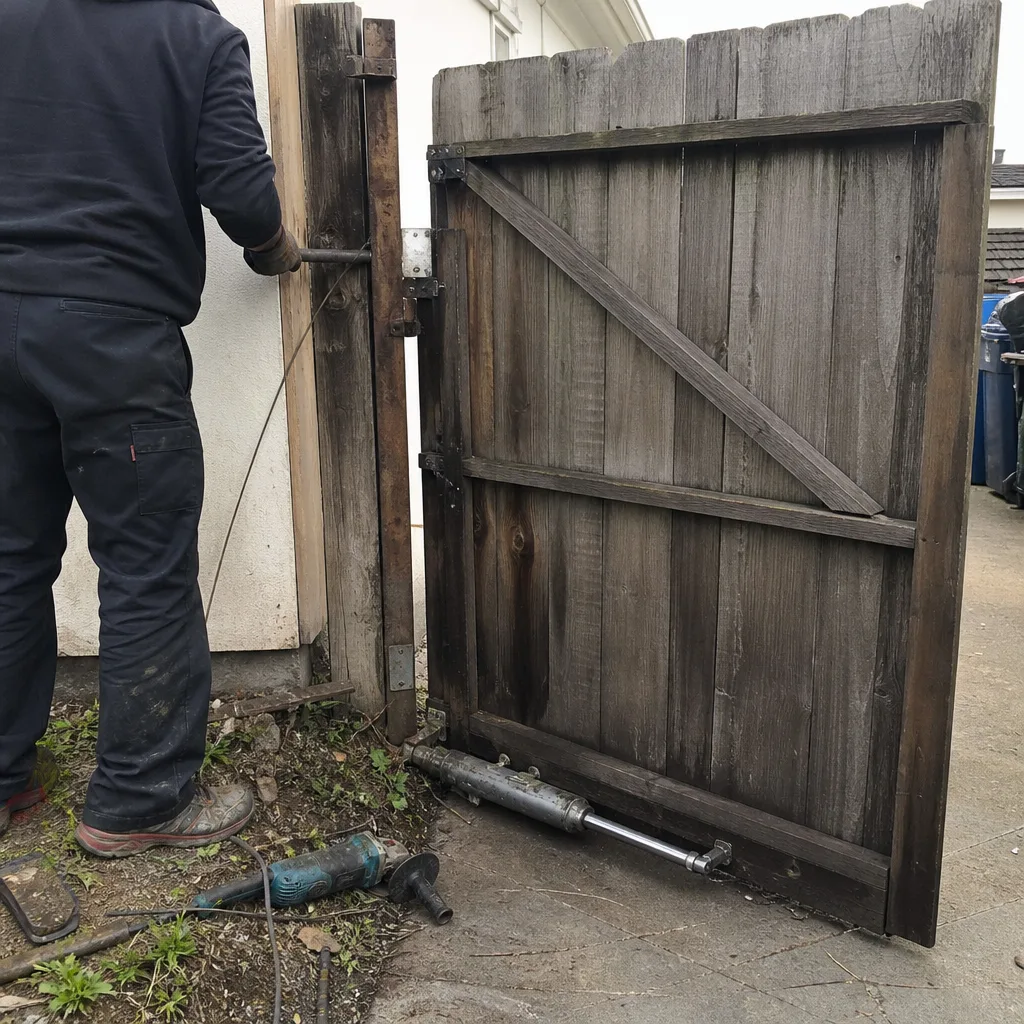 Before
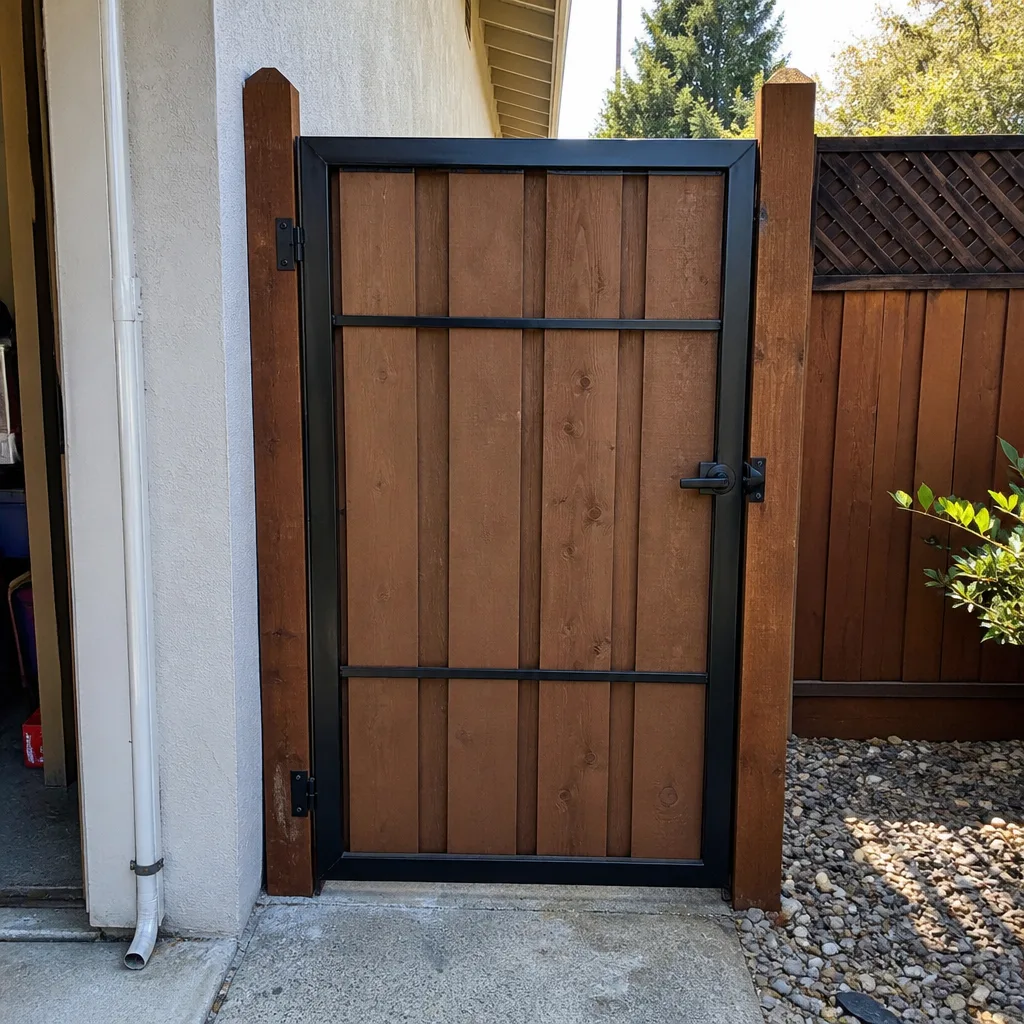 After
After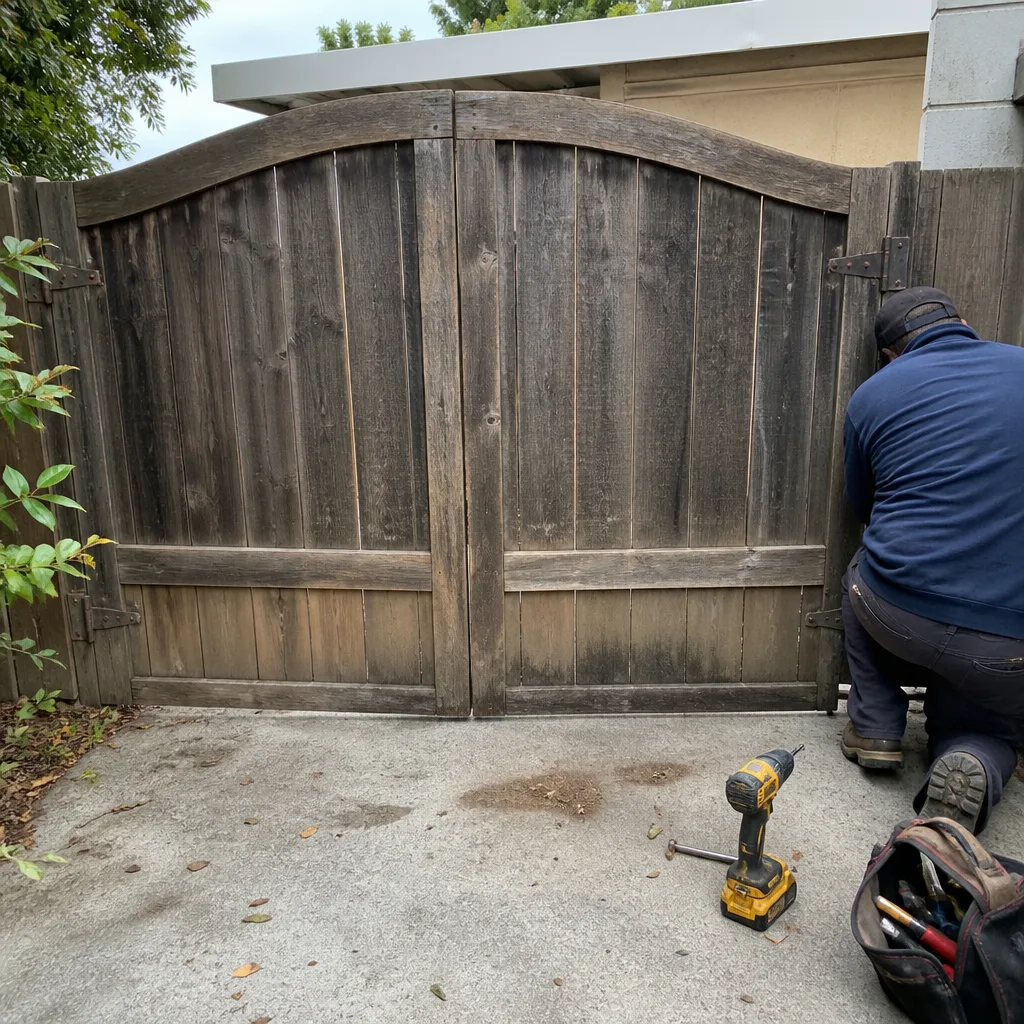 Before
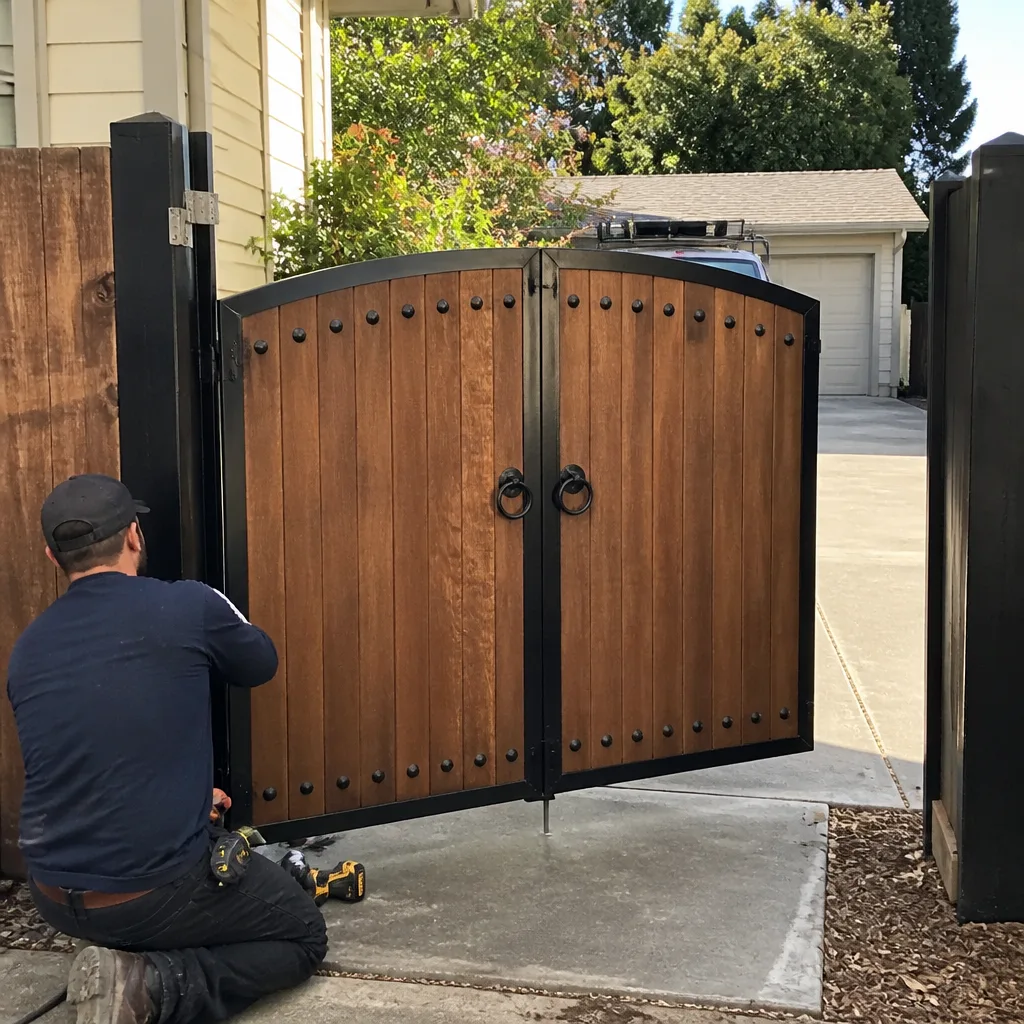 After
After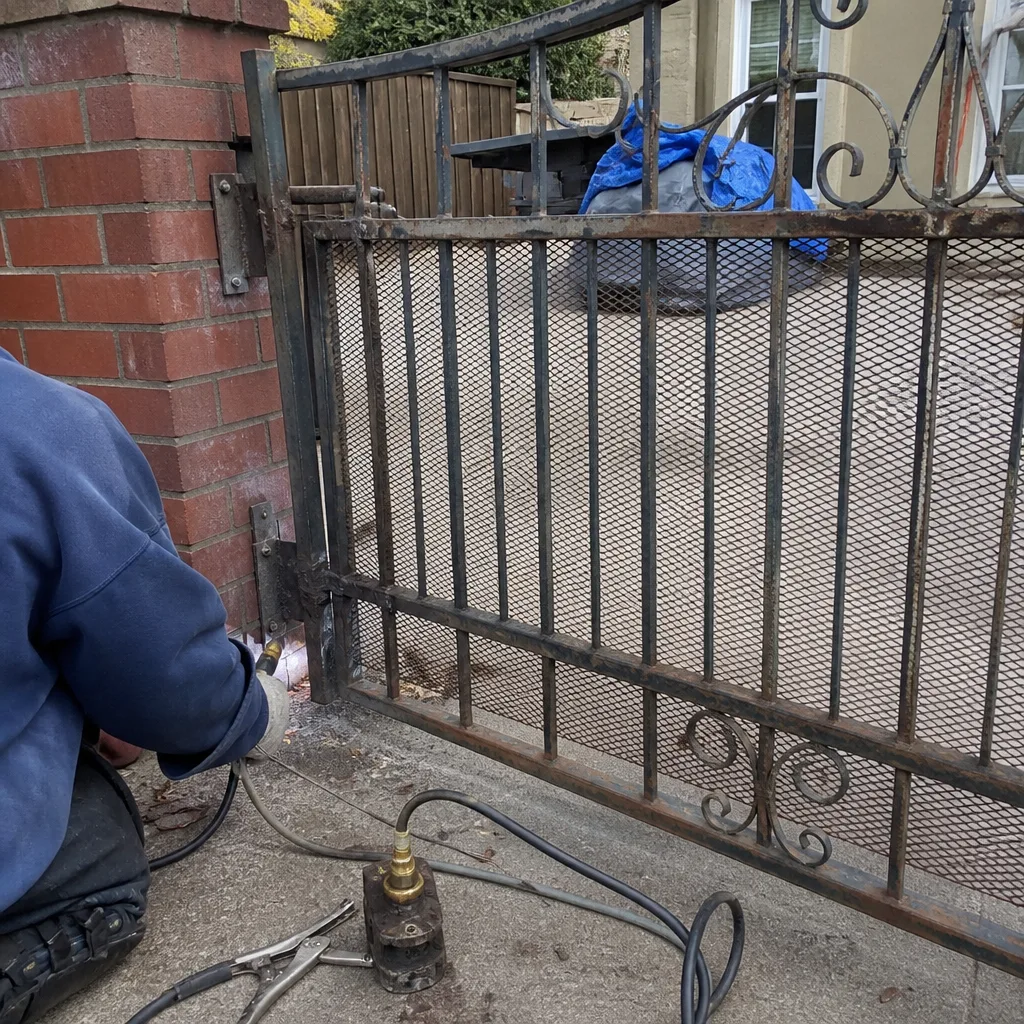 Before
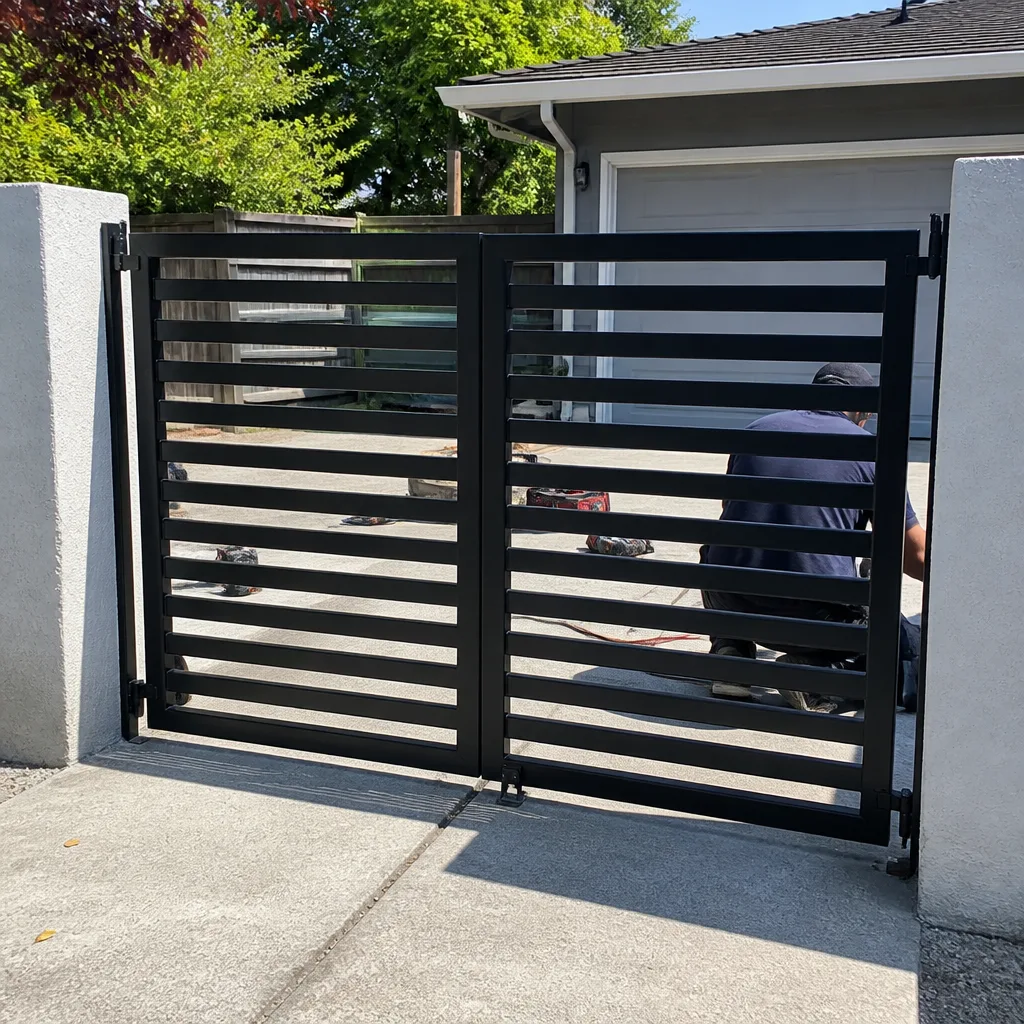 After
After